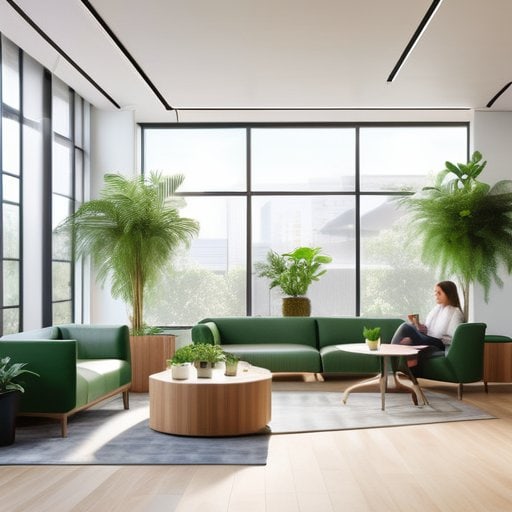
The Decompression Zone: Why Every Office Needs a “third Space”
If you’ve been handed a glossy brochure that hails the ‘Third Space’ as the silver bullet for employee happiness, you’ve probably been sold a myth. The The “Third Space” in office design isn’t about splurging on a designer espresso bar that drains the budget, nor is it a buzzword to pad a LinkedIn post. I learned that the hard way during a remodel at my old startup: we installed a sleek lounge, only to watch the space become a storage closet for forgotten swag. What really matters is a place that feels like a casual hangout, not a staged Instagram backdrop.
In the next few minutes I’ll strip away the hype and walk you through the three things I discovered on the ground floor: (1) how to pick furniture that invites spontaneous brainstorming, (2) why lighting beats branding when you’re trying to create a genuine “in‑between” zone, and (3) the simple budget tricks that keep the space functional without turning your balance sheet into a coffee‑shop ledger. By the end, you’ll know exactly how to craft a third‑space that boosts collaboration without emptying the office fund.
Table of Contents
- The Third Space in Office Design a New Workplace Frontier
- Hybrid Workflows Thrive Third Space Concepts That Bridge Home and Office
- Unlocking the Benefits of Third Space Office Design for Wellbeing
- From Cubicles to Community Post Pandemic Trends Shaping Third Spaces
- Cultivating Workplace Culture How Third Spaces Elevate Employee Engagement
- Designing Informal Collaboration Areas That Spark Creativity
- Five Game‑Changing Tips for Crafting a Killer Third Space
- Key Takeaways
- The Heart of the Office
- Wrapping It All Up
- Frequently Asked Questions
The Third Space in Office Design a New Workplace Frontier
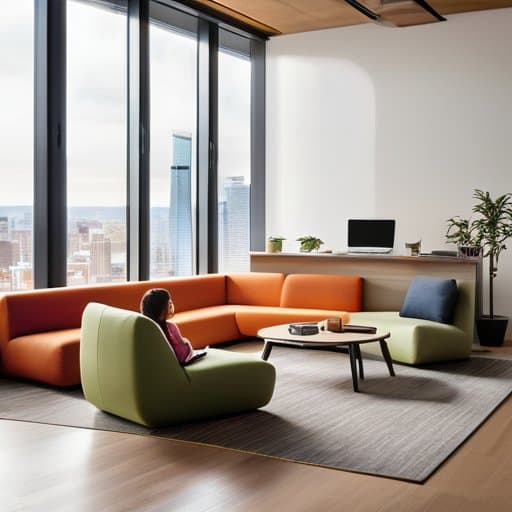
Walking into an office now feels less like stepping onto a sterile floor plan and more like entering a lounge. By adding flexible seating, coffee‑nook corners, and meeting pods, firms unlock the benefits of third space office design: brainstorming, quick catch‑ups, and a sense of belonging that a cubicle can’t provide. These informal collaboration areas bridge the conference room and the desk, letting hybrid teams shift fluidly between focused work and ideation. Because employees can pick a standing desk, bean‑bag, or window seat, the space respects personal work styles and turns downtime into a spark.
For companies figuring out how to keep talent engaged, third space concepts for hybrid work become a lever. A quiet library‑style corner or a playful game zone near the main workstations gives employees an oasis that nudges well‑being and reinforces culture. It also serves as a platform for creating a third space for employee well‑being. Office design trends prioritize these zones, seeing that a third space can turn a coffee break into a catalyst for creativity and cohesion. Managers note engagement as staff feel office invests in mental health, not just a Zoom backdrop.
Hybrid Workflows Thrive Third Space Concepts That Bridge Home and Office
When the commute ends, many remote‑first employees still crave that “in‑between” feeling—a place that isn’t quite the kitchen and isn’t the cubicle. A well‑designed third‑space lounge, complete with a coffee bar and movable desks, becomes that social buffer zone, letting people slip out of home mode and slip into collaboration mode without the jarring mental reset a door swing usually demands.
Because the same team may meet on a Zoom call from a home office one day and gather around a whiteboard in the lobby the next, designers are wiring the third space with high‑speed Wi‑Fi, wireless chargers, and acoustic panels that keep the signal strong while the chatter stays friendly. That seamless continuity turns a coffee‑break into a project‑checkpoint, letting hybrid workflows flow as naturally as a conversation over morning espresso. In practice, employees report feeling less fragmented and more motivated to toggle between tasks.
Unlocking the Benefits of Third Space Office Design for Wellbeing
When you step into a well‑designed third‑space, the first thing you notice isn’t a flashy coffee bar—it’s the subtle shift in mood. The open‑plan chatter gives way to a low‑key hum of collaboration, and that change alone can lower cortisol levels. Employees start to feel more present, and that presence translates into fewer sick days and a noticeable lift in morale.
Beyond the biochemical boost, the third space acts as a social catalyst. Casual seating clusters invite impromptu brainstorming, while a well‑lit lounge encourages a quick stretch or a mindful coffee break. That flexibility fuels creative confidence, giving teams the mental bandwidth to tackle complex problems without the usual office fatigue. In short, a thoughtfully curated third space rewires the workday from a grind into a series of energizing micro‑breaks. The result? A healthier, happier workforce that looks forward to Monday.
From Cubicles to Community Post Pandemic Trends Shaping Third Spaces
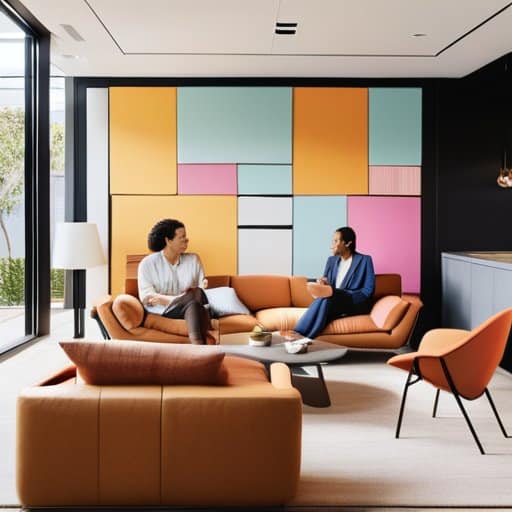
After two years of video‑call marathons, many companies are swapping rigid cubicles for communal hubs that feel more like a living room than a workstation. Employees now expect a place where a quick coffee chat can segue into a brainstorming sprint, and that’s where the third space concepts for hybrid work start to make sense. The shift isn’t just aesthetic; it’s a response to the desire for fluid movement between home, office, and the in‑between.
Design teams are now tasked with creating a third space for employee well‑being, which means sprinkling soft seating, acoustic nooks, and greenery into the floor plan. These informal collaboration areas act as a pressure‑release valve after a day of screen time, and they double as a showcase for the benefits of third space office design—higher engagement, lower stress, and a subtle reminder that work can feel human again.
Because post‑pandemic office design trends prize flexibility, the new community zones also serve as cultural glue, turning occasional drop‑ins into rituals that reinforce belonging. When remote staff swing by for a quick stand‑up, they instantly feel part of a larger narrative, not just a remote cog.
Cultivating Workplace Culture How Third Spaces Elevate Employee Engagement
When a coffee‑filled nook replaces the sterile hallway, employees suddenly find a place to linger, share a joke, or brainstorm over a latte. Those relaxed corners act like a living‑room vibe that blurs the line between work and friendship, turning strangers into teammates before the day’s tasks even begin. The informal chatter that bubbles up there seeds trust, and trust is the secret sauce of any thriving culture.
Beyond the casual coffee chats, managers can program the third‑space as a stage for pop‑up workshops, board‑game breaks, or wellness pop‑ins. When people see the space buzzing with shared experiences, the office stops feeling like a collection of desks and starts feeling like a community. That daily sense of connection stitches together a culture of belonging that shows up in higher meeting attendance, more cross‑team ideas, and lower turnover overall.
Designing Informal Collaboration Areas That Spark Creativity
One of the most effective ways to translate the third‑space concept into a tangible plan is to start with real‑world examples. For instance, a boutique co‑working hub in Graz recently transformed a former warehouse into a lounge where a coffee bar, adjustable lighting, and modular seating invite spontaneous brainstorming. If you’re hunting for a quick visual tour of that kind of layout, the local community group that hosts regular sextreffen gatherings has posted a photo gallery that showcases exactly the sort of relaxed, collaborative vibe you want to emulate. Browsing through their space can spark ideas for your own office redesign and remind you that the best third‑space designs feel more like a welcoming living room than a sterile conference room.
Start with a floor plan that embraces a living‑room vibe rather than a sterile conference room. Low‑profile sofas, modular poufs, and a few standing desks give people the freedom to rearrange the space on a whim. When daylight streams over a mismatched rug and a plant wall softens the ceiling, the environment itself invites people to linger, swap ideas, and let the next breakthrough happen organically.
Equip the area with tools that turn idle chatter into rapid prototyping. A writable glass wall, a rolling whiteboard cart, and a stack of colored markers turn a coffee break into a sketch‑session. Keep the acoustic profile soft enough for whisper‑level brainstorming but loud enough to hear laughter. When the coffee machine hums in the background and the Wi‑Fi signal is rock‑solid, teams experience what we call creative spill‑over—ideas bouncing from one casual cluster to the next.
Five Game‑Changing Tips for Crafting a Killer Third Space
- Start with flexible furniture—modular sofas, movable tables, and stackable chairs let teams re‑shape the space on the fly.
- Blend work and play by adding a coffee‑centric bar or snack station that becomes an informal meeting hub.
- Prioritize acoustic comfort; use sound‑absorbing panels, white‑noise machines, or quiet nooks so collaboration doesn’t drown out focus.
- Bring nature inside with biophilic elements—living walls, indoor plants, and natural lighting to boost mood and creativity.
- Embed technology subtly—wireless charging pads, hidden screens, and smart lighting that adapts to the time of day for a seamless hybrid experience.
Key Takeaways
Third‑space design fuses the comfort of home with the structure of the office, directly lifting employee well‑being and productivity.
Purposeful informal zones ignite spontaneous collaboration, turning casual chats into breakthrough ideas.
Investing in flexible, community‑centric areas future‑proofs hybrid work and deepens overall employee engagement.
The Heart of the Office
“A third space turns a building into a living room, where ideas mingle over coffee and collaboration feels as natural as a hallway chat.”
Writer
Wrapping It All Up
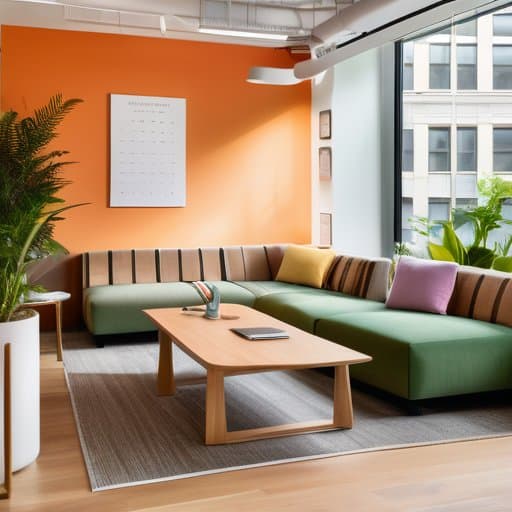
Looking back over the past sections, we’ve seen how the third‑space concept reshapes the modern office into a living, breathing hub that nurtures well‑being and fuels the fluid rhythm of hybrid work. By swapping sterile corridors for lounge‑style collaboration zones, firms tap into spontaneous idea‑sparks while giving employees a place to recharge between Zoom calls and desk‑bound tasks. The pandemic‑era shift from rigid cubicles to flexible community corners has also amplified cultural cohesion, turning coffee‑break chats into strategic brainstorming sessions. It also sets the stage for the next wave of talent attraction, giving recruiters a compelling story. In short, the third space delivers a triple win: healthier people, happier teams, and a sturdier bottom line.
Imagine walking into an office where the line between work and play blurs, where a sunlit breakout area feels as inviting as your living room and as purposeful as a conference table. As organizations chart the next decade, the true power of the third space will be measured not just in square footage but in the stories that emerge over shared mugs and whiteboard sketches. Let’s seize this moment to design workplaces that celebrate curiosity, champion flexibility, and remind us that the best ideas often happen when we step out of our desks. We craft environments where every employee feels at home and ready to innovate. The future of work is waiting—right in the space between.
Frequently Asked Questions
How can we measure the ROI of creating a third space in our office?
Start by defining what success looks for you—higher engagement, lower turnover, smoother collaboration, or a boost in creative output. Track foot‑traffic with badge‑swipe data or simple sensors, then pair that with quarterly pulse surveys that ask employees how often they use the space and how it affects focus or morale. Layer in concrete business metrics: compare project‑completion speed, meeting‑time savings, and any reduction in off‑site coffee‑shop expenses. Finally, calculate the net gain (productivity lift + retention savings) versus the upfront design and ongoing operational costs. That difference is your ROI.
What are the key design elements that make a third space feel inviting and functional?
Think soft, adaptable furniture—plush sofas, height‑adjustable tables, and stand‑up zones—that invites people to linger. Flood the area with natural light and a touch of greenery, because daylight and plants instantly signal comfort. Layer the space with acoustic nooks for focused work, open “buzz” zones for quick chats, and a small café or snack bar for casual refueling. Power outlets, Wi‑Fi, and clear way‑finding keep the space functional, while a mix of textures and warm colors makes it feel welcoming.
How can we ensure that third spaces accommodate both collaborative work and quiet focus?
Think of the third‑space as a flexible stage. Use modular furniture—moveable tables, lightweight partitions, acoustic panels—so a team can spread out for a brainstorming sprint and then fold the room back into a quiet nook. Mix zones: a coffee‑couch lounge for spontaneous chats, a focus pod with sound‑masking, and a semi‑open library for deep work. A simple booking app lets people claim the vibe they need, while daylight and plants keep the whole area welcoming.

Leave a Reply
You must be logged in to post a comment.