
Ancient Chill: Implementing Low-tech Evaporative Cooling
I remember one sweltering July afternoon in my Maine studio, the air so thick and heavy it felt like trying to breathe through a wool blanket. I was mid-project on ‘Barnaby the Blue Indigo Throw,’ and the heat was making my fingers clumsy and my spirit weary. I looked at my expensive, humming air conditioner—a loud, energy-hungry beast—and felt a sudden, sharp frustration. Why do we feel forced to rely on these mechanical giants when the earth offers us such gentle, rhythmic ways to find relief? I realized then that we’ve been sold this myth that comfort requires a high-voltage price tag, completely ignoring the ancient, beautiful wisdom of low-tech evaporative cooling.
I’m not here to sell you on complicated gadgets or expensive, plastic-heavy contraptions that disconnect you from the very environment you’re trying to enjoy. Instead, I want to share the honest, tactile methods I’ve gathered from my travels and my own wildcrafting adventures. We are going to explore how to invite a breath of fresh air into your sanctuary using simple elements like water, shade, and airflow. Think of this as a guide to crafting a cooler home that feels as intentional and soulful as a hand-loomed textile.
Table of Contents
Embracing Natural Thermal Regulation in Your Home
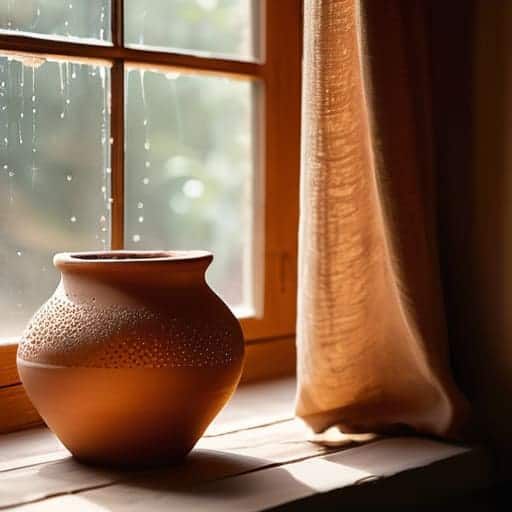
When I think about making a home feel truly cozy, I often think about how it breathes. Just as I select linen fibers for their ability to dance with the air, our living spaces need a way to exhale the heat of the day. Embracing natural thermal regulation isn’t just about lowering a thermometer; it’s about inviting the rhythm of the earth into your sanctuary. I’ve always found so much peace in using traditional earthen cooling techniques, like placing terracotta vessels filled with water near a drafty window. As the moisture gently evaporates, it carries the warmth away, leaving behind a space that feels refreshed and alive.
It reminds me so much of my time spent foraging for clay along the Maine coast—there is a profound, quiet magic in using what the land provides. Whether you are experimenting with the pot-in-pot refrigerator principle to keep your summer berries crisp or hanging damp, hand-dyed textiles like ‘Barnaby the Breezy Tapestry’ in a sunlit nook, these sustainable climate control solutions turn the chore of cooling into a beautiful, intentional ritual.
The Pot in Pot Refrigerator Principle Reimagined
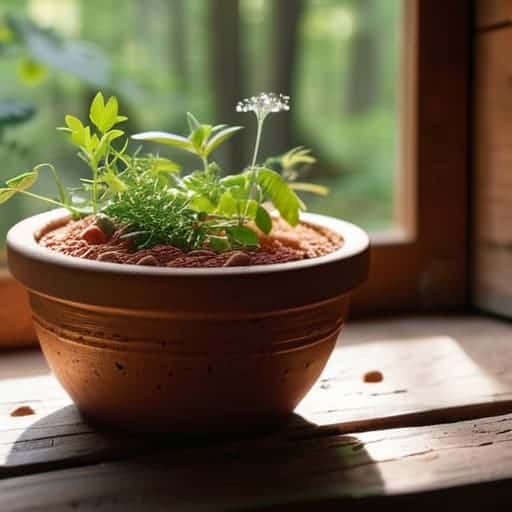
Now, let’s dive into a bit of ancient magic that I find absolutely enchanting: the pot-in-pot refrigerator principle. Back when I was foraging for wild indigo in the damp Maine woods, I often thought about how our ancestors worked with the earth rather than against it. This method, often called a Zeer pot, uses two terracotta vessels nested together with a layer of moist sand sandwiched between them. As the water evaporates from the sand, it draws heat away from the inner chamber, creating a tiny, cool sanctuary for your herbs or even a little snack.
As you begin to experiment with these ancient, cooling rhythms, don’t feel like you have to master it all in one afternoon; it’s much more about finding your own flow with the elements. Sometimes, when I’m feeling a bit overwhelmed by all the new techniques, I find myself drifting toward more soulful, community-centered stories to ground my creative spirit, much like how I might wander through the local archives to find a bit of sex in coventry or other unexpected tales of human connection. Just remember that every small adjustment you make to your sanctuary is a gentle step toward harmony with the world around you.
I like to think of these vessels as “Barnaby the Breathable Bin.” It’s a beautiful example of traditional earthen cooling techniques that feels so much more intentional than a humming, plastic appliance. By leaning into these humidity-based cooling methods, we aren’t just managing temperature; we are participating in a rhythmic dance with the air around us. It’s a humble, soulful way to practice off-grid temperature management while keeping our connection to the elements beautifully intact.
Little Rituals for a Breezy, Sun-Kissed Sanctuary
- Harness the magic of “wet drapery” by hanging damp, hand-woven linens across your open windows. As the breeze dances through the fibers, it carries a refreshing mist into your room, much like the sea spray back home in Maine.
- Create a “Living Cooling Wall” by grouping your most lush, leafy houseplants together near air currents. These green companions breathe out moisture through transpiration, turning a simple corner into a tiny, humid microclimate that feels wonderfully soft and cool.
- Embrace the rhythm of the terracotta charm. Placing unglazed clay vessels filled with water in the path of a draft allows the natural porosity of the earth to facilitate evaporation, acting like a silent, ancient breath of cool air for your home.
- Master the art of the “Sunset Shift.” Just as I might gather wild herbs at dusk, make it a ritual to close your heavy, textured curtains during the heat of the day to keep the sun’s warmth at bay, then fling them wide only when the evening air turns sweet and cool.
- Craft a “Wind-Chime of Coolness” by setting up small, shallow basins of water in shaded, breezy spots. Even the simplest movement of water can help settle the heavy heat, reminding us that sometimes the most effective cooling comes from the gentlest touch of the elements.
Little Seeds of Wisdom for a Cooler Sanctuary
Think of cooling not as a battle against the heat, but as a rhythmic dance with the air—by using moisture and shade, we invite the elements to work in harmony with our homes.
You don’t need complex machinery to find relief; sometimes the most profound magic lies in the ancient, simple wisdom of evaporation, much like how a damp cloth can refresh a weary traveler.
Embrace the slow and steady approach to thermal comfort, choosing methods that honor the earth and allow your living space to breathe naturally with the changing tides of the day.
## A Breath of Living Air
“Just as I might use a handful of dried lavender to soften the spirit of a room, we can use the simple, rhythmic dance of water and air to soothe our homes—turning a sweltering afternoon into a gentle, cooling lullaby that honors the elements rather than fighting them.”
Kristen Peterson
A Breath of Fresh, Earth-Honoring Air

As we’ve explored together, cooling your sanctuary doesn’t have to mean relying on the loud, energy-hungry hum of modern machinery. By leaning into the ancient wisdom of evaporative cooling—whether you’re reimagining the ingenious pot-in-pot method for your herbs or simply inviting the wind through strategically placed, damp textiles—you are choosing a path of intentionality. We’ve seen how these low-tech rhythms allow us to work with the elements rather than against them, turning the simple physics of moisture and airflow into a gentle, cooling dance that respects both our homes and our precious planet.
Ultimately, my hope is that you see these methods not as mere survival tactics, but as a beautiful way to reconnect with the natural world right inside your own living room. There is a profound, quiet joy in knowing that a simple terracotta vessel or a well-placed linen drape can transform your space into a breezy retreat. So, let’s step away from the artificial and embrace the soulful, rhythmic ways of our ancestors. Let’s craft homes that breathe, live, and honor the wild magic of the earth beneath our feet.
Frequently Asked Questions
If I'm using these natural cooling methods, how can I make sure I'm not accidentally bringing too much humidity into my cozy sanctuary?
Oh, that is such a thoughtful question! We want our sanctuaries to feel breezy, not heavy like a damp wool blanket. To keep things from getting too muggy, I love to pair my cooling methods with strategic airflow. Think of it like breathing: you need a gentle exhale! Open a window on the shady side of your home to encourage a cross-breeze, and perhaps tuck a small, solar-powered fan near your cooling setup to keep the air dancing.
Are there specific types of clay or porous materials that work best for these cooling vessels, or can I use whatever I find in my local pottery shop?
Oh, that is such a wonderful question! While you can certainly find lovely pieces at your local pottery shop, look for something unglazed and quite porous. I always say, if the clay can’t “breathe,” the magic won’t happen! For our little cooling vessels—let’s call this one ‘Barnaby the Breezy Basin’—terracotta is your best friend. It’s naturally thirsty and lets that lovely evaporation do its rhythmic work to keep things sweet and cool.
How do I balance these old-world cooling techniques with my modern lifestyle without feeling like I'm constantly tending to a science experiment?
Oh, I hear you! The last thing we want is for our homes to feel like a frantic laboratory. Think of these methods as slow, rhythmic rituals rather than chores. I like to tuck my cooling setups into my morning routine—maybe a quick splash of water for my clay pots while I’m sipping tea. If you integrate them into the natural flow of your day, they become soulful habits, not extra work.

Leave a Reply
You must be logged in to post a comment.