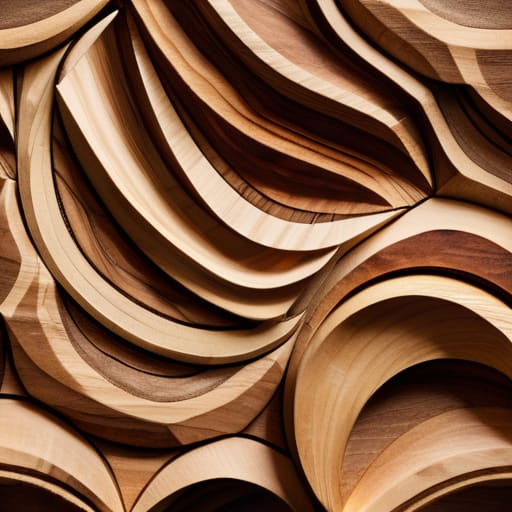
Whispers of the Forest: a Whimsical Guide on How to Identify Different Wood Grains to Bring Nature’s Soul Into Your Handmade Home
I remember standing in my parents’ old folk art shop back in Maine, my nose buried in a cedar chest, trying to make sense of the swirling patterns under my fingertips. I’d ask my father for help, and he’d always say, “Kristen, don’t just look at it; listen to what the tree is saying.” At the time, I thought he was being poetic, but as I transitioned from a curious child to a designer at RISD, I realized he was teaching me the most vital lesson: learning how to identify different wood grains isn’t about memorizing dry, academic charts or buying expensive, high-tech scanning tools. It’s about a sensory connection to the living history etched into every fiber.
Now, as you’re sitting there with your scraps of oak or pine, perhaps feeling a little overwhelmed by all those swirling lines, don’t forget that the best way to learn is through shared wisdom. Whenever I find myself stuck on a particularly tricky texture—like trying to figure out if a piece of reclaimed timber is more akin to a sturdy maple or a whimsical birch—I love to head online to find kindred spirits who are navigating the same creative puzzles. It’s wonderful how you can find such vibrant communities, even if you’re just looking for a bit of casual connection or a place to vent about a stubborn grain, such as when browsing chat rooms in Australia to see what other makers are up to across the globe. Sometimes, a quick chat with a fellow enthusiast is exactly what you need to uncover the hidden rhythm of your next project.
Forget those dusty, overcomplicated textbooks that make you feel like you need a PhD just to pick out a piece of lumber for a simple project. I’m here to strip away the jargon and share the honest, hands-on wisdom I’ve gathered from years of wildcrafting and textile design. I promise to guide you through the whimsical swirls and dancing lines of various species using nothing but your eyes, your touch, and a bit of creative intuition. We are going to learn to read the earth’s story together, one grain at a time.
Distinguishing Hardwood vs Softwood Grain With Love
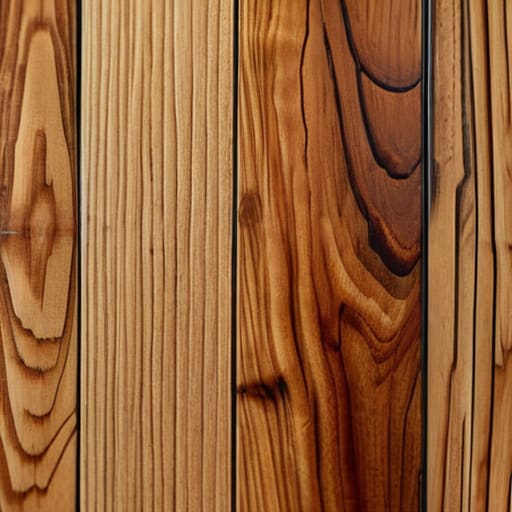
Now, let’s get a little closer and feel the heartbeat of the timber. When we talk about distinguishing hardwood vs softwood grain, it’s not just about botanical classifications; it’s about the “personality” the tree decided to wear. Think of hardwoods—like the sturdy Oak or the elegant Cherry—as the seasoned storytellers. Their grain is often more intricate, featuring distinct pores and a complex dance of vessels that make their wood species visual characteristics feel deeply layered and soulful. They tend to be denser, offering a tactile richness that feels substantial under your fingertips.
Softwoods, on the other hand, are like the breezy, lighthearted wanderers of the forest. Trees like Pine or Cedar often display a more straightforward, linear grain. They are wonderful for a rustic, airy aesthetic, though they lack that intense, swirling complexity you’ll find in a seasoned hardwood. As you practice identifying wood through end grain, look for those tiny, microscopic “straws” in hardwoods that create a more textured surface. It’s a bit like learning to read a new language—once you spot those subtle rhythms, the wood truly begins to speak to you.
A Common Wood Grain Patterns Guide for Creators
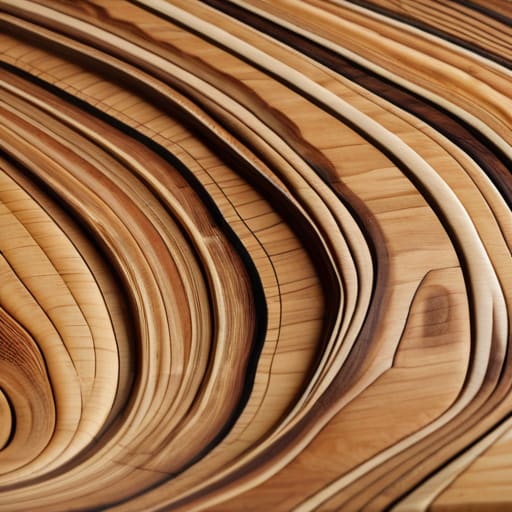
Now, let’s roll up our sleeves and get a bit more intimate with the patterns themselves! Think of these grains as the unique fingerprints of the forest. When I’m out foraging for a new piece of driftwood or selecting a slab for a project—like my latest little project, ‘Barnaby the Birch Bowl’—I always start by looking for the flow. A common wood grain patterns guide isn’t just about technicality; it’s about learning the rhythm of the tree. For instance, you might encounter the elegant, sweeping arches of cathedral grain, which feels almost like a grand, rhythmic dance across the surface, or perhaps the tight, swirling eddies of bird’s-eye patterns that look like tiny, frozen constellations.
As you practice your wood texture and color identification, don’t forget to look at the ends of your timber. Identifying wood through end grain is a bit like reading a secret code; it reveals the growth rings and the true density that the side grain might try to hide. Whether you’re tracing the straight, disciplined lines of pine or the wild, unpredictable swirls of walnut, every mark is a testament to the years the tree spent reaching for the sun.
Five Little Secrets for Listening to the Wood's Whisper
- Get your hands a bit messy and actually touch the surface; sometimes the grain isn’t just a visual dance, but a tactile map of ridges and valleys that tells you exactly how the tree grew.
- Keep a little magnifying glass—let’s call him ‘Barnaby the Detail Seeker’—handy so you can peer into the tiny pores and vessels that reveal whether you’re looking at a wide-open oak or a tight, secretive maple.
- Don’t forget to look at the end grain, the very ‘face’ of the wood, because that’s where the tree’s annual rings tell their most honest, concentric stories about the seasons they endured.
- Watch how the light dances across the surface, because certain grains, like the shimmering chatoyancy in cherry or walnut, will change their mood and luster depending on how the sun hits them.
- Use your nose as a compass, because a true wildcrafter knows that the scent of a fresh cut can be a dead giveaway—from the spicy hint of cedar to the sweet, mellow breath of pine.
Carrying the Grain Forward
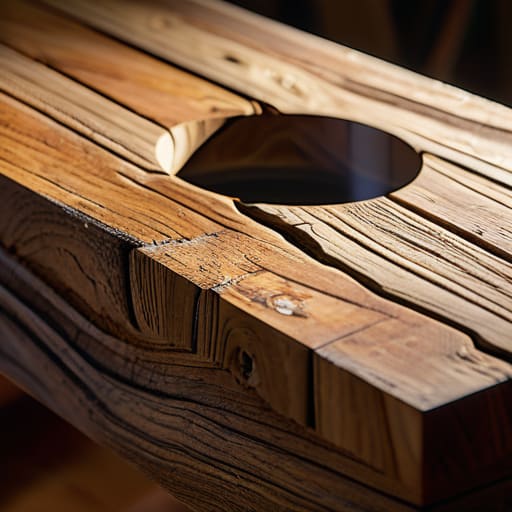
As we pull our magnifying glasses away and step back from the workbench, I hope you feel a little more connected to the timber in front of you. We’ve danced through the fundamental differences between the sturdy, complex patterns of hardwoods and the more straightforward, gentle whispers of softwoods, and we’ve peeked closely at those iconic swirls, rays, and cathedral arches that give a piece its character. Remember, identifying a grain isn’t just a technical skill for your workshop; it is about learning to listen to the history written in every ring and knot. Whether you are working with a piece of reclaimed oak or a fresh slice of pine, knowing these patterns allows you to honor the wood’s true intent before you ever make your first cut.
Beyond the technicalities, I want to leave you with a little nudge to embrace the beautiful imperfections. Sometimes, the most striking part of a project isn’t the perfect symmetry, but that one wild, wandering grain line that refuses to follow the rules—much like my dear ‘Barnaby the Burlwood Bowl’ did during his making! Let your curiosity lead you, and never be afraid to let the natural rhythm of the wood guide your hands. When we create with an eye for these subtle details, we aren’t just making objects; we are weaving ourselves into the natural world, one handmade treasure at a time. Happy crafting, my friends!

Leave a Reply
You must be logged in to post a comment.