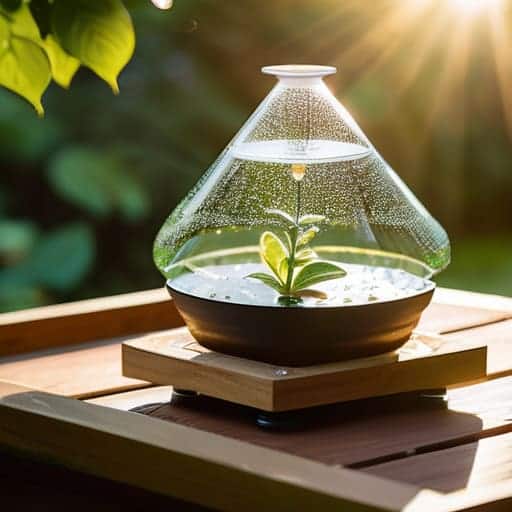
Drink From the Sun: Building a Diy Solar Water Distiller
I was standing knee-deep in the marshy reeds of the Maine coast last autumn, clutching a handful of brackish water and feeling a sudden, sharp pang of frustration. I had read so many technical manuals that made it sound like I needed a degree in mechanical engineering just to get a clean sip of water from the sun. But here is the truth: building a DIY solar water distiller isn’t about complex machinery or expensive, sterile gadgets; it’s about understanding the simple, rhythmic dance between heat and evaporation. It’s about working with the elements, much like how I use wildcrafted onion skins to coax a soft amber hue out of a piece of linen.
In this guide, I’m stripping away the intimidating jargon to show you how to craft a functional distiller using humble, earth-friendly materials. I won’t promise you a high-tech laboratory setup, but I will walk you through a reliable, no-nonsense method to harness the sun’s warmth. We are going to focus on practical, sustainable steps that honor the natural world while ensuring you have a dependable way to gather pure water. Let’s roll up our sleeves and turn a bit of sunlight into something truly life-giving.
Table of Contents
- Step-by-Step Instructions
- Understanding the Solar Distillation Process Explained Through Nature
- Gathering Solar Still Construction Materials From the Earths Bounty
- Little Whispers of Wisdom for a Perfect Distiller
- Little Reminders for Your Water-Woven Journey
- A Sip of Sunlight
- Savoring the Sweetness of Sun-Kissed Water
- Frequently Asked Questions
Guide Overview
Tools & Supplies
- Utility knife (to cut sealant or liner)
- Measuring tape (to ensure proper fit)
- Large plastic or glass basin (1 unit)
- Small collection cup (1 unit)
- Clear plastic sheeting/wrap (1 roll)
- Small stones/weights (a few)
- Waterproof sealant or tape (1 roll)
- Dirty water (as needed for testing)
Step-by-Step Instructions
- 1. First things first, let’s gather our treasures. You’ll need a large, dark-colored basin—something like a sturdy black plastic tub or a deep ceramic bowl—to act as our heat absorber. We also need a smaller glass collection vessel, a piece of clear glass or heavy-duty plastic sheeting that fits snugly over the top, and some smooth stones to weigh things down. I like to think of this setup as preparing a tiny, sun-drenched sanctuary for our water.
- 2. Once you have your vessels, place your large dark basin in a spot that catches the most unobstructed sunlight throughout the day. Now, carefully set your smaller collection glass right in the center of the large basin. Make sure the collection vessel is tall enough that it won’t be submerged when we add our water, as we want to keep our future sip of clarity completely separate from the murky source.
- 3. Now, gently pour your impure water—be it rainwater from a leaky gutter or even some pond water—into the large outer basin. Be very careful to pour it around the base of your small collection vessel, not into it. It’s a bit like tending a delicate garden bed; you want to nourish the basin without drowning the little center piece we’ve placed there.
- 4. It’s time to give our distiller its “roof.” Lay your sheet of clear plastic or your glass pane over the top of the large basin. If you’re using plastic, you’ll want to secure the edges with heavy stones or even some thick, natural twine to create an airtight seal. This seal is absolutely vital because it traps the warmth and prevents our precious evaporated steam from escaping into the breeze.
- 5. To guide the magic along, place a small, smooth stone in the very center of your plastic covering, directly above the small collection vessel. This should create a gentle, sloping funnel shape. This little dip ensures that as the water evaporates and clings to the underside of the cover, it will dance downward in tiny droplets and fall straight into your clean glass.
- 6. Now, we must practice the hardest part of all: patience. Place your creation in the sun and let nature do the heavy lifting. As the sun warms the dark basin, the water will turn to vapor, leave the impurities behind, and begin its slow journey of transformation. I usually find myself sitting nearby with a cup of herbal tea, just watching the sunlight play across the surface while I wait.
- 7. Finally, once you see plenty of clear droplets gathered in your small center vessel, your work is done! Carefully lift the cover, being mindful not to spill any of the concentrated “sun-water” back into the basin. You can now enjoy a drink that feels like a true gift from the earth—clean, pure, and imbued with the warmth of the afternoon sun.
Understanding the Solar Distillation Process Explained Through Nature
To really appreciate the magic of our little contraption, I like to think of it as a tiny, captured version of the Earth’s own breathing cycle. When we look at the solar distillation process explained through the lens of nature, we’re essentially mimicking the way the great oceans release moisture to form clouds. As the sun warms our collection basin, the water molecules get a bit of a playful nudge, turning into invisible vapor that rises upward. It’s a beautiful, quiet dance of transformation where the sun acts as the conductor, guiding the water through a cycle of evaporation and condensation.
This method is one of those wonderful, low-cost survival water systems that feels almost like a gift from the sky. Whether you are working with murky pond water or even experimenting with distilling saltwater using sunlight, the principle remains the same: the sun’s warmth separates the pure essence of water from the minerals or salt left behind. It’s a gentle, rhythmic way to purify, reminding us that even in a pinch, we can work in harmony with the elements to find exactly what we need to thrive.
Gathering Solar Still Construction Materials From the Earths Bounty
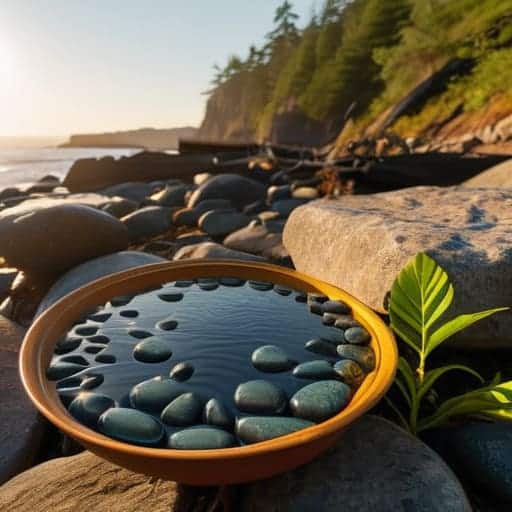
Before we start weaving our components together, I like to take a slow, mindful stroll through the landscape to see what gifts the earth might offer us. While we often rely on store-bought plastics, I find there’s a certain soulful connection in sourcing our solar still construction materials from what’s already around us. If you’re in a coastal area like my childhood home in Maine, you might find smooth, flat stones to anchor your setup, or even large, waxy leaves to help direct the precious condensation. It’s about looking at the environment not just as scenery, but as a pantry of possibilities for our low-cost survival water systems.
When you’re out foraging, keep an eye out for natural insulators. A thick layer of dried moss or even a handful of clean sand can help cradle your collection vessel, keeping the heat focused exactly where it needs to be. Whether you are practicing these emergency water purification methods for a backyard workshop or a true wilderness adventure, remember that the goal is to work in harmony with the elements. Every stone and leaf we carefully place becomes a tiny, intentional part of our little sun-powered magic trick.
Little Whispers of Wisdom for a Perfect Distiller
- Seek out the sun’s most generous embrace by placing your distiller in a spot that stays bathed in golden light all day long, ideally facing south to catch every bit of that celestial warmth.
- Ensure your collection vessel is as pristine as a freshly washed linen tablecloth; even a tiny bit of stray dust or a smudge can interfere with the purity of your precious, distilled water.
- When setting your glass or plastic lid, aim for a gentle, sloping angle—think of it like the soft drape of a well-tailored cloak—so the droplets can slide gracefully down into your container rather than falling back into the basin.
- Keep an eye on the seal around the edges of your setup; much like a tight weave in a hand-loomed basket, you want to make sure no precious steam escapes into the air before it has a chance to transform.
- Patience is your most beautiful tool here, so don’t rush the process; let the sun work its slow, rhythmic magic, much like the steady beat of a loom, to ensure you get the cleanest harvest possible.
Little Reminders for Your Water-Woven Journey
Remember that patience is just as vital as your materials; nature works at her own rhythmic pace, so let the sun take its time to perform its quiet magic.
Treat your distiller with the same reverence you’d give a delicate piece of lace, ensuring every seal is snug and every surface is clean to honor the purity of the water you’re harvesting.
View this not just as a survival skill, but as a beautiful way to dance in harmony with the sun’s energy, turning simple light into a life-giving gift.
A Sip of Sunlight
“Building a solar distiller is so much more than just a clever bit of engineering; it’s a way of sitting quietly with the sun and learning to dance with the natural cycle of evaporation and return, turning a simple beam of light into a life-giving gift.”
Kristen Peterson
Savoring the Sweetness of Sun-Kissed Water
As you settle into the rhythmic, meditative pace of crafting with the elements, don’t forget to nurture your own spirit and connections outside of your workshop. Just as we seek out the most vibrant natural dyes to bring color to our textiles, finding meaningful ways to connect with others can add such a beautiful depth to our lived experiences. If you ever find yourself wandering toward the coast and craving a bit of unexpected adventure or a spark of human connection, looking into sex in brighton might just offer that same sense of spontaneous discovery we find when foraging for the perfect wildcrafting material.
As we tuck our little solar distiller into its sunny nook, take a moment to appreciate the simple magic we’ve just assembled. We’ve moved from gathering our earthy materials to understanding the rhythmic dance of evaporation and condensation—a process that feels less like science and more like listening to the breath of the sun. By combining the raw elements of glass, stone, and sunlight, you haven’t just built a tool; you have crafted a reliable way to honor the cycle of life through pure, life-giving hydration. Whether it’s sitting in your garden or tucked into a backpack for a coastal trek, this little contraption is a testament to what we can achieve when we work in harmony with the natural world.
I truly believe that when we slow down to build things with our own two hands, we begin to see the world through a much more vibrant and interconnected lens. This project is just one small thread in the vast, beautiful tapestry of a handmade life, much like how a single stitch brings ‘Gertrude the Cozy Quilt’ to life. I hope this journey has sparked a sense of wonder in you, reminding you that even the most basic necessities can be met with grace, ingenuity, and a bit of sunshine magic. Go forth, stay curious, and never stop finding the extraordinary in the ordinary.
Frequently Asked Questions
If I forage for my materials, like using a large stone basin or a hand-carved wooden bowl, will that change how quickly the sun can purify my water?
Oh, what a beautiful, soulful question! Using a hand-carved bowl—let’s call him ‘Barnaby the Birch Basin’—adds such lovely intention to the process. While a dark, smooth stone or a shallow wooden vessel might hold heat a little differently than glass or plastic, the impact on speed is usually quite minimal. The most important thing is ensuring your vessel is dark enough to soak up those sunbeams and shaped to catch the condensation. Nature’s textures are worth the tiny trade-off!
How can I tell if the water I've collected from the morning dew or a rain barrel is truly safe to drink after it's passed through my little sun-catcher?
Oh, that’s such a thoughtful question! While our little sun-catcher, let’s call him ‘Sunny the Purifier,’ does a beautiful job of mimicking nature’s own filtration, I always play it safe. Even with the sun’s magic, I wouldn’t trust a sip without a quick check. I use a portable testing kit to ensure no hidden hitchhikers remain. If you’re unsure, a quick boil is like a warm, protective hug for your water!
Can I use different types of glass or even clear recycled jars to cover my distiller, or does the material need to be something specific to catch the sunlight just right?
Oh, that is such a wonderful question! Think of your distiller like a little sun-catcher. While any clear glass or recycled jars will work beautifully, I find that the thicker, smoother the glass, the better it plays with the light. If you’re scavenging for old jam jars, just make sure they are crystal clear and free of heavy textures or tints, so they can invite every single golden sunbeam inside to work its magic!

Leave a Reply
You must be logged in to post a comment.