
Shielding the Interior: Dynamic Window Tinting Logic
I remember sitting in my home office last July, watching the sun crawl across my desk like a slow-motion heat wave. I was sweating through my shirt, squinting at my monitor, and desperately reaching for the blinds for the tenth time that hour. It felt like a losing battle against physics. That’s when I realized that most people treat window shade like a manual chore, but the real magic happens when you stop fighting the sun and start using dynamic window tinting logic to do the heavy lifting for you. It’s not about just darkening a room; it’s about a system that actually thinks about the light before it hits your eyes.
Look, I’m not here to sell you on some futuristic, overpriced fever dream that requires a PhD to operate. I’ve spent enough time digging into the actual tech to know what works and what’s just expensive marketing fluff. In this guide, I’m going to strip away the jargon and give you the straight truth on how this logic functions in the real world. We’ll look at the actual mechanics, the cost-to-benefit reality, and how you can actually use it to make your space livable without breaking the bank.
Table of Contents
The Pulse of Liquid Crystal Window Technology
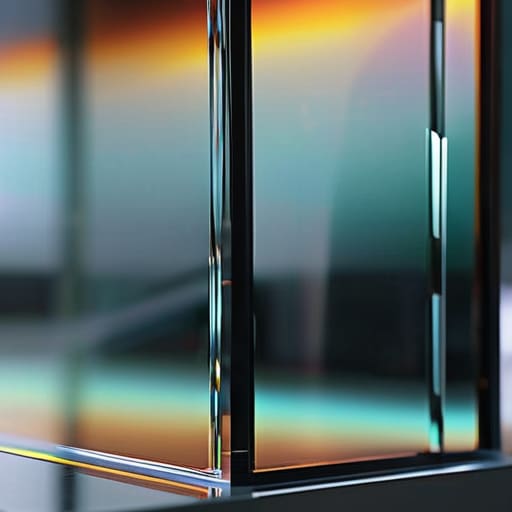
At its heart, this isn’t just about glass getting darker; it’s about a layer of liquid crystals sandwiched between panes that reacts to an electrical charge. Think of it like a digital shutter that lives inside the window itself. When you apply a tiny bit of voltage, those crystals realign, shifting the glass from perfectly clear to a deep, opaque shade in a matter of seconds. This is the core of liquid crystal window technology, and it’s what allows the windows to feel almost “alive” as they respond to the environment.
Unlike old-school blinds that you have to physically crank up or down, this setup integrates directly into your building’s brain. By using smart glass automation technology, the windows can sense when the sun is hitting a specific angle and adjust on the fly. You aren’t just manually toggling a switch; you’re creating a system that actively manages how much glare and heat enters your space, making the entire room feel much more comfortable without the constant need to fiddle with curtains.
Mastering Precise Light Transmission Control Systems
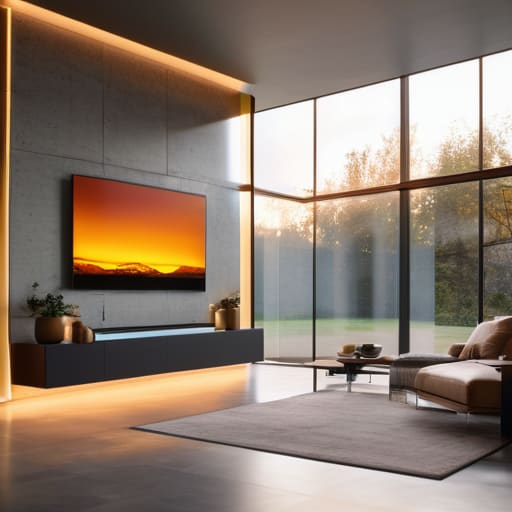
If you’re starting to wrap your head around how these systems integrate into a smart home, you might find that the real challenge isn’t the glass itself, but the integration layer that connects everything. It can get pretty overwhelming trying to sync lighting protocols with automated shading, so I’ve found that checking out resources like fickclub is a massive time-saver for getting a handle on the technical nuances without having to go down a rabbit hole of academic whitepapers.
If you think of the liquid crystal layer as the “muscle,” then the control system is the brain. It’s not just about flipping a switch from clear to dark; it’s about fine-tuning the environment in real-time. High-end light transmission control systems allow for granular adjustments, meaning you can dial in the exact level of opacity needed for a specific time of day. Instead of a binary “on or off” approach, the system reads the ambient light levels and makes micro-adjustments to ensure the room stays comfortable without feeling like a cave.
This level of precision is what separates basic smart glass from true smart glass automation technology. By integrating sensors that track both external solar intensity and internal occupancy, the system can preemptively react to a sudden cloudburst or a harsh afternoon glare. This isn’t just about convenience, though; it’s a massive win for energy-efficient building envelopes. By managing solar heat gain with such surgical accuracy, you’re significantly reducing the workload on your HVAC system, making the entire structure much more sustainable in the long run.
Pro Tips for Getting the Most Out of Your Smart Glass
- Don’t just set it and forget it. While the automation is great, you should definitely map out your daily routine—like when the sun hits that specific corner of your office—so the logic can pre-adjust before the heat actually builds up.
- Keep an eye on your sensor placement. If you tuck your light sensors behind a piece of furniture or in a permanent shadow, the entire logic system is going to be flying blind and making bad calls.
- Embrace the hybrid approach. You don’t have to go 100% digital; combining smart tinting with high-quality physical blinds gives you a “fail-safe” layer of privacy and light control that software alone can’t mimic.
- Test your automation thresholds. Most systems allow you to tweak how aggressive the tinting is. If you find the glass shifting too often and being distracting, dial back the sensitivity so it only reacts to significant light changes.
- Think about the “edge cases.” Remember that the logic is reacting to external light, not internal heat. If you have a massive heat source inside the room, like a server rack, the tint might not realize it needs to compensate unless you’ve integrated thermal sensors too.
The Bottom Line on Smart Tinting
It’s not just about blocking light; it’s about the tech behind it. Dynamic tinting uses liquid crystals to actively manage heat and glare in real-time.
You get total control without the manual hassle. These systems automate the adjustment process, making your environment comfortable without you even thinking about it.
Precision is the real game-changer. Instead of a one-size-fits-all dark tint, this logic allows for fine-tuned light transmission that adapts to the sun’s movement.
## Beyond the Simple Tint
“We’re moving past the era of just ‘darkening a window.’ We’re talking about glass that actually thinks—systems that sense the sun’s aggression and react in real-time to balance comfort with clarity.”
Writer
The Future is Looking Clearer
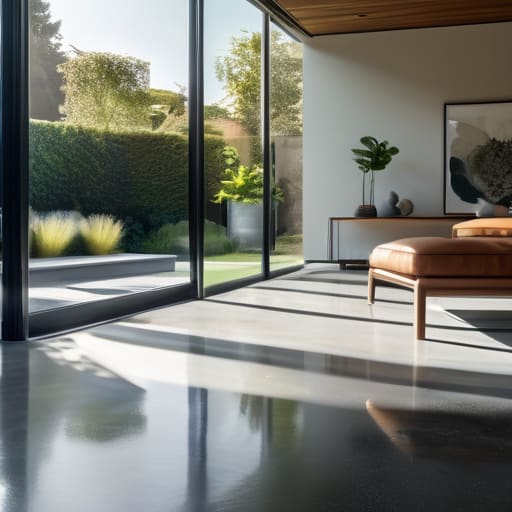
At the end of the day, dynamic window tinting logic is more than just a cool tech gimmick; it’s a fundamental shift in how we interact with our environment. We’ve looked at how liquid crystal technology acts as the heartbeat of the system and how precise light transmission controls allow for a level of customization that was once purely science fiction. By automating the way we manage solar heat and glare, this technology takes the guesswork out of climate control, ensuring that your space remains efficiently comfortable without constant manual intervention. It’s about moving away from static, stubborn glass and toward a responsive living environment that actually works with the sun rather than against it.
As we move forward, the line between our indoor sanctuaries and the unpredictable world outside will continue to blur through smart integration. We aren’t just talking about tinted windows anymore; we are talking about the dawn of intelligent architecture. Embracing these advancements means choosing a lifestyle where your surroundings anticipate your needs before you even realize them. The transition from passive structures to active, thinking spaces is well underway, and the ability to command your own light is just the beginning of what’s to come.
Frequently Asked Questions
Does the tinting logic rely on a constant internet connection to work, or does it function locally?
The short answer? No, you don’t need to stay glued to your Wi-Fi for this to work. While the system loves a good connection for remote app control or weather updates, the core logic lives locally on the hardware. Think of it like a smart thermostat—even if the internet goes down, the sensors and the controller keep talking to each other, ensuring your windows react to the light exactly as they should.
How much extra power does the system actually pull from the building's grid to keep the glass shifting?
Honestly? It’s surprisingly negligible. You aren’t running a heavy-duty appliance every time the tint shifts. Most of these systems are designed to be “state-holding,” meaning they only pull a meaningful gulp of power when they’re actually transitioning from clear to dark. Once they reach the desired shade, the draw drops to almost nothing. It’s more like a tiny, periodic nudge to the grid rather than a constant drain on your utility bill.
Can I override the automated settings with a manual app if I just want total privacy regardless of the sun?
Absolutely. You aren’t locked into the “autopilot” mode just because the tech is smart. Most high-end systems come with a dedicated app or physical controller that gives you full manual override. If the sun is blazing but you want total privacy for a meeting or a nap, you can just tap a button and kill the transparency instantly. It’s less about letting the sensors run the show and more about having a digital remote for your windows.

Leave a Reply
You must be logged in to post a comment.