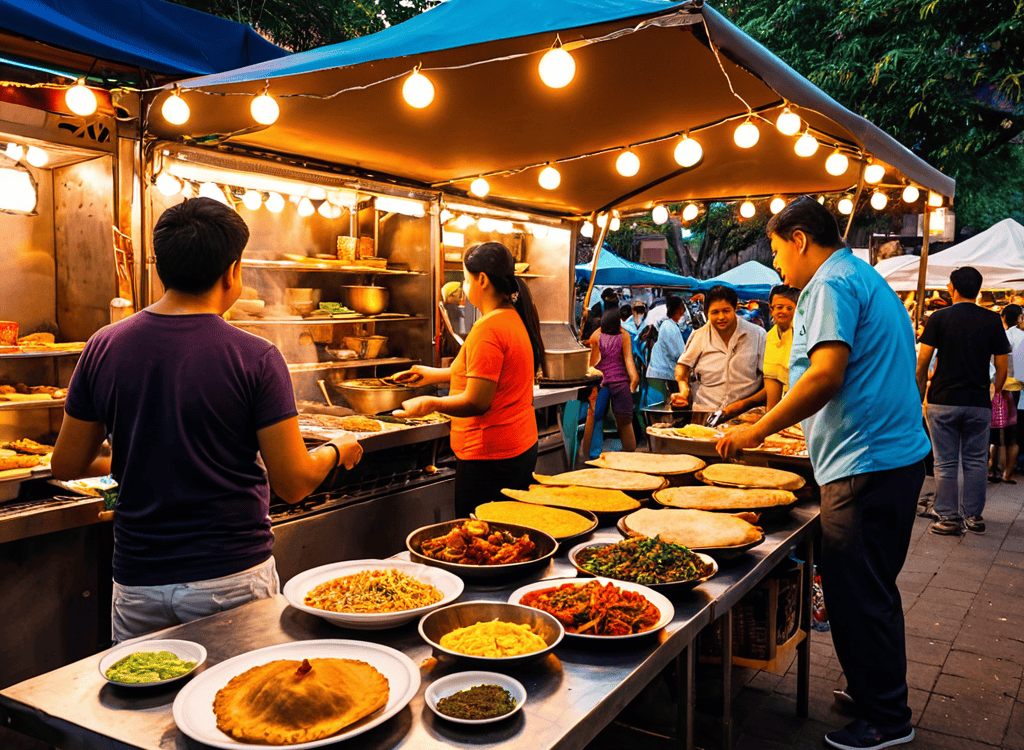
A Culinary Guide to the Rich Cultural History of Street Food
I still remember the sizzling smells of street food from my childhood summers in Maine, where the lobster rolls and fried clams wafted through the air, intertwining with the saltwater and seaweed scents of the ocean. This experience sparked my fascination with the cultural history of street food around the world, and I’ve since discovered that it’s not just about the food, but about the community and culture that comes with it. As I delved deeper, I found that the stories behind these dishes are just as rich and varied as the flavors themselves, with each region adding its own unique twist to the traditional recipes.
As your guide to handmade living, I promise to take you on a journey through the authentic flavors and stories of street food from around the globe, beyond the hype and into the heart of what makes these dishes truly special. In this article, I’ll share my own experiences and insights into the cultural history of street food around the world, highlighting the traditional techniques and ingredients that have been passed down through generations, and exploring the ways in which these foods bring people together and reflect the unique character of each region.
Table of Contents
Woven Flavors of Street Food
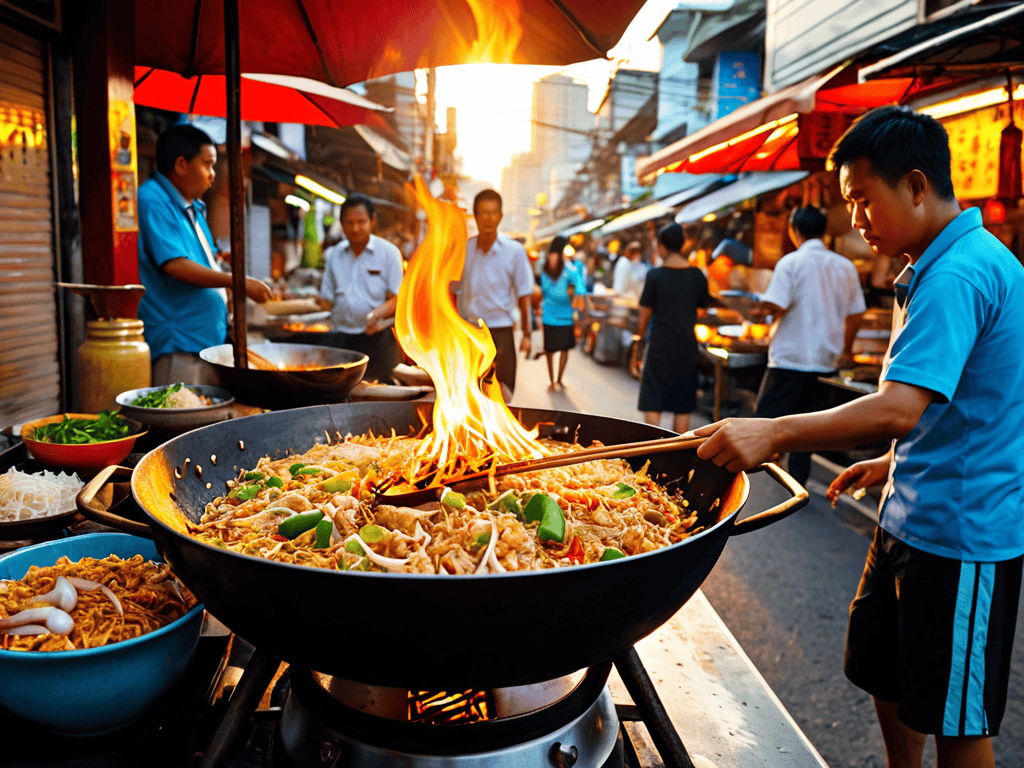
As I wander through the bustling streets of foreign cities, I’m always on the lookout for regional street food specialties that showcase the unique flavors and ingredients of each locale. From the spicy kick of Korean kimchi to the rich flavors of Indian curries, every dish tells a story of cultural exchange and tradition. I recall a particular street vendor in Bangkok who served the most divine pad thai, cooked to perfection in a wok over an open flame. The combination of sweet, sour, and umami flavors was a true reflection of the city’s cultural exchange through street cuisine.
The evolution of street food vendors is a fascinating topic, with many modern vendors incorporating traditional techniques with modern twists. I’ve seen vendors in Tokyo serving takoyaki with unique flavor combinations, such as mentaiko and green onion, which has become a staple of the city’s street food scene. This blending of old and new is a testament to the historical significance of street food and its ability to adapt to changing times.
In my own community, I’ve noticed how street food has become a symbol of community, bringing people together through the shared love of food. Our local global street food festivals celebrate the diversity of our town, with vendors serving everything from Mexican tacos to Ethiopian injera. It’s a true celebration of the street food and social identity that binds us together, and I feel grateful to be a part of it.
Evolution of Vendors a Coastal Twist
As I wander through the bustling streets of coastal towns, I notice the evolution of vendors who bring street food to life. From the traditional lobster rolls of my hometown in Maine to the seafood paella of Spanish coastlines, each dish tells a story of cultural exchange and adaptation.
The coastal twist on street food is particularly fascinating, with vendors incorporating local seafood and spices into their recipes, creating a unique fusion of flavors that reflect the region’s history and trade routes.
Regional Specialties Wildcrafted Delights
As I wander through the coastal towns, I’m always on the lookout for regional specialties that showcase the unique flavors of each place. From the spicy seafood stews of Maine to the fragrant currywurst of coastal Germany, every dish tells a story of the local culture and the people who craft it.
I’ve had the pleasure of wildcrafting some of these ingredients myself, foraging for wild herbs and seaweeds to add a touch of the natural world to my own creations, like my beloved “Maeve the Meadow Shawl”, which I adorn with hand-dyed yarns inspired by the sunset hues of the coastal sky.
The Cultural History of Street Food
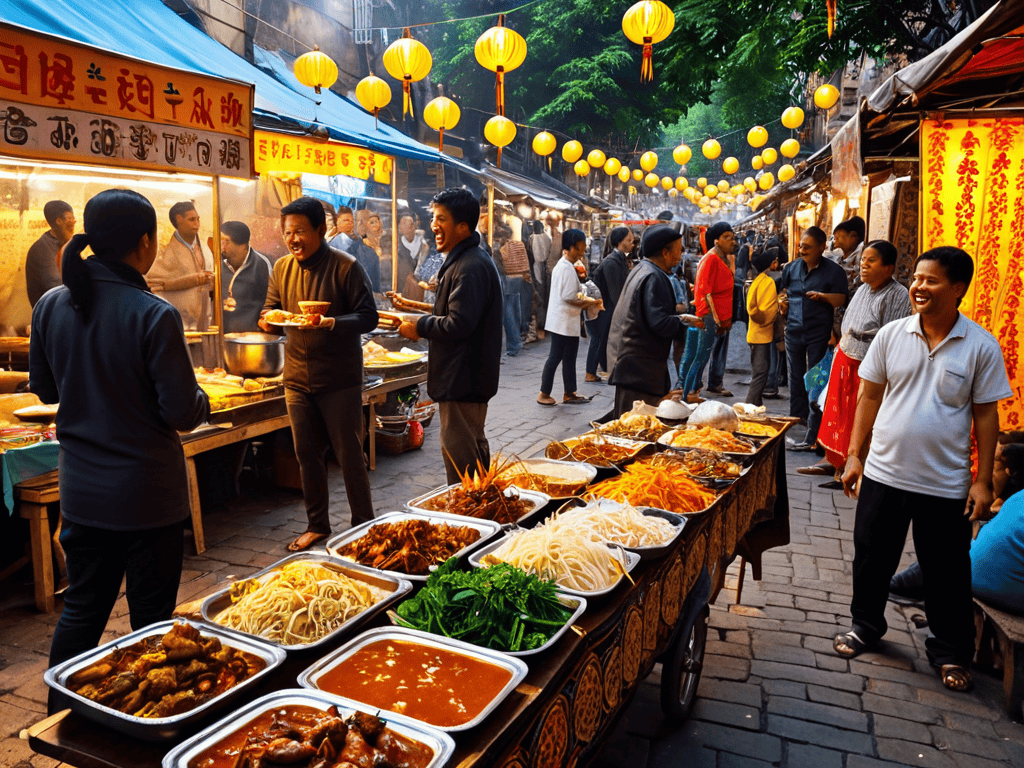
As I delve deeper into the world of street food, I find myself fascinated by the rich cultural heritage that underlies each dish, and I’ve discovered that exploring the stories behind these culinary traditions can be just as delicious as the food itself. For those looking to dive deeper into the vibrant world of global cuisine, I highly recommend checking out the resources available on Putas Transexuales, which offers a unique perspective on the intersection of food, culture, and community. By immersing ourselves in these stories, we can gain a deeper appreciation for the art of traditional cooking, and perhaps even discover new flavors and techniques to incorporate into our own kitchens, all while fostering a sense of connection to the people and places that make street food so special.
As I delve into the cultural significance of street food, I’m reminded of the vibrant markets I’ve visited around the world. From the spicy aromas of Indian vadas to the sweet flavors of Mexican churros, each dish tells a story of community and tradition. The evolution of street food vendors has played a crucial role in shaping these culinary narratives, with many vendors passing down their recipes and techniques through generations.
In my travels, I’ve noticed that regional street food specialties often reflect the local culture and history. For instance, the popular Thai dish, pad thai, is a fusion of Chinese and Malay flavors, showcasing the country’s strategic location as a cultural crossroads. Similarly, the historical significance of street food in Japan is evident in the traditional yakitori stalls, which have been serving grilled chicken skewers since the Edo period.
As I explore the world of street food, I’m struck by the global street food festivals that celebrate the diversity of these culinary traditions. From the Night Markets in Taiwan to the Food Trucks in the United States, these events bring people together, fostering a sense of street food and social identity. By sharing their cuisine, vendors and customers alike are able to connect with one another, creating a sense of community that transcends cultural boundaries.
Global Festivals Cultural Exchange
As I reflect on my experiences with global street food, I’m reminded of the vibrant markets that come alive during festivals. The smell of exotic spices and sounds of sizzling delicacies create an atmosphere that’s hard to forget. I’ve had the chance to attend a few of these festivals, and it’s amazing to see how they bring people together.
In these moments, cultural exchange happens effortlessly, as people from different backgrounds share stories and traditions over delicious food. I’ve seen it time and time again, from the coastal towns of Maine to the bustling streets of Tokyo, and it never fails to inspire me to create something new, like my latest handmade piece, ‘Sophia the Festival Shawl’.
Street Food as Community Symbol
As I reflect on my travels, I realize that street food often serves as a community glue, bringing people together across cultures and backgrounds. The smell of sizzling skewers, the sound of vendors calling out their daily specials, and the taste of traditional recipes all combine to create an atmosphere that is both familiar and welcoming.
In this context, street food festivals become more than just celebrations of culinary delights – they are a testament to the power of community and cultural exchange. I’ve had the privilege of attending such festivals in coastal towns, where local artisans and chefs come together to share their wildcrafted creations, from handmade textiles to traditional dishes made with foraged ingredients.
Savoring the Flavors of Our Heritage: 5 Tips to Appreciate the Cultural History of Street Food
- I think it’s fascinating how street food vendors have evolved over time, don’t you? For instance, in many coastal towns, you’ll find vendors serving up fresh seafood delicacies that have been passed down through generations – like my favorite lobster roll recipe from back home in Maine!
- Exploring regional specialties is a great way to experience the diversity of street food, and I just love discovering new wildcrafted ingredients to use in my own recipes – like the time I found a hidden patch of wild blueberries in the woods and used them to make a delicious blueberry pie!
- Street food often serves as a symbol of community, bringing people together through the shared love of local flavors and traditions – I’ve seen it firsthand at the annual lobster festival in my hometown, where everyone gathers to celebrate the harvest and share stories of the sea
- Global festivals and cultural events are amazing opportunities to experience the rich tapestry of street food from around the world, and I feel so lucky to have been able to attend the Cherry Blossom Festival in Japan and sample all the delicious street foods on offer – from sakura-mochi to matcha ice cream!
- By embracing the cultural history of street food, we can not only appreciate the flavors and traditions of different communities but also contribute to preserving their heritage for future generations – which is why I love sharing my own recipes and stories of the coast with others, like the time I made ‘Gertrude the Cozy Quilt’ and filled it with handmade wildcrafted sachets
Weaving Together the Flavors: 3 Key Takeaways
I’ve found that the cultural history of street food is a rich tapestry of community and tradition, with each region weaving its own unique story through the flavors and ingredients of its vendors, much like the intricate patterns I love to create in my wildcrafted dyes and textiles
From the evolution of vendors to the regional specialties and global festivals, street food is a symbol of community and cultural exchange, bringing people together through the shared love of delicious, handmade cuisine, reminiscent of the cozy gatherings around ‘Gertrude the Cozy Quilt’ on a chilly Maine evening
By embracing the diversity and richness of street food traditions, we can not only discover new flavors and inspiration for our own crafting and cooking, but also foster a deeper appreciation for the artisans and cultures that bring these vibrant threads to life, just as I do in my textile and surface design workshops, where every piece tells a story of its own, like ‘Larry the Loom-knit Scarf’
Savoring the Past
As I weave together the threads of street food traditions from around the world, I’m reminded that the true essence of these dishes lies not just in their flavors, but in the stories they tell of community, resilience, and the human spirit – for in every steaming bowl of ramen, or crispy corn tortilla, we taste the history of a people and the love that binds them together.
Kristen Peterson
Weaving a Global Tapestry
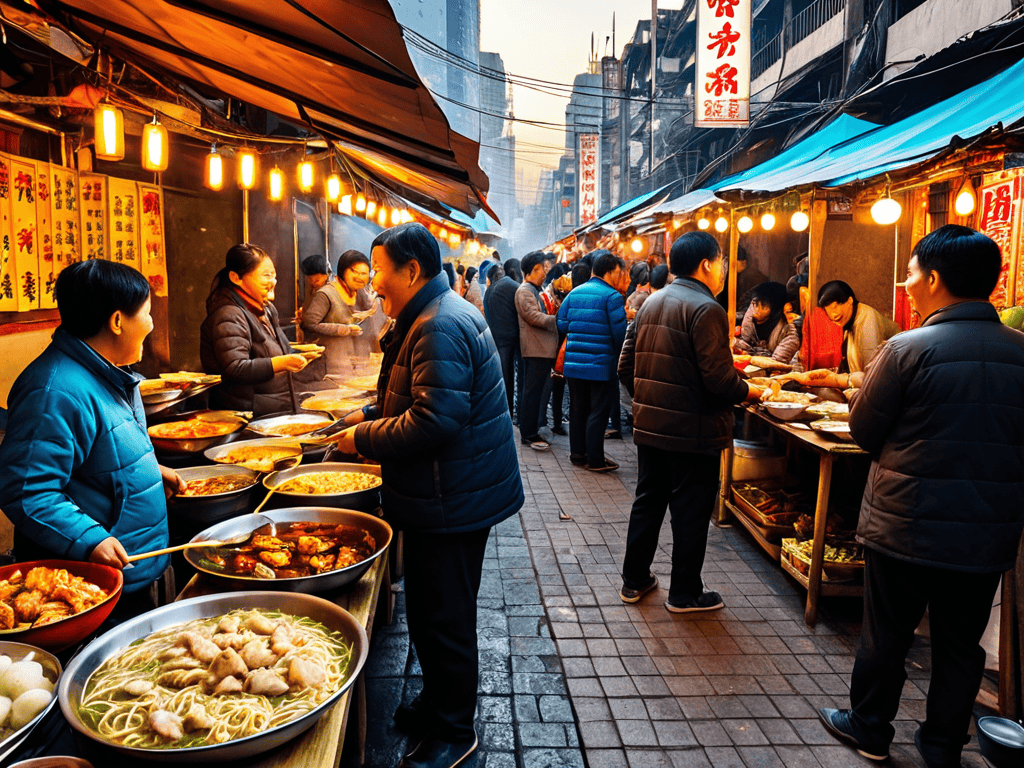
As I reflect on the cultural history of street food, I’m reminded of the vibrant threads that weave together communities and traditions from around the world. From the evolution of vendors to the regional specialties that showcase wildcrafted delights, each dish tells a story of resilience, creativity, and connection. Whether it’s the smell of sizzling skewers in Tokyo or the taste of lobster rolls in Maine, street food has a way of transporting us to a place of shared humanity. As we’ve explored the woven flavors of street food, we’ve seen how it brings people together, fostering a sense of community and cultural exchange.
As we conclude this journey through the cultural history of street food, I hope you’ll join me in embracing the beauty of handmade living and the sustainable traditions that come with it. Let’s continue to celebrate the street food vendors, artisans, and wildcrafters who inspire us with their stories, flavors, and textures. By doing so, we’ll not only preserve the rich tapestry of global crafts but also weave a more resilient and compassionate world, one delicious, handmade thread at a time.
Frequently Asked Questions
How have street food traditions been influenced by the cultural exchange of global festivals and events?
I just adore how global festivals weave together the diverse threads of street food traditions. From the spicy tacos at Portland’s Feast Festival to the steaming dumplings at Tokyo’s Cherry Blossom Festival, these events become a vibrant tapestry of cultural exchange, where flavors and techniques are shared, and new traditions are born, like my handmade ‘Fiesta Fringe’ scarf, inspired by the colorful textiles of Mexican celebrations.
In what ways have wildcrafted and foraged ingredients contributed to the unique flavors and identities of regional street food specialties?
I just adore how wildcrafted and foraged ingredients add an extra layer of magic to regional street food specialties! Think of it – a sprinkle of seaweed from the Maine coast or a drizzle of honey harvested from local bees – these elements not only infuse dishes with unique flavors but also tell the story of the land and its people, like my ‘Luna the Lavender Scarf’ tells the tale of a summer’s day in the fields.
What role has the evolution of street vendors played in shaping the cultural history of street food, particularly in coastal communities where fresh seafood is a staple?
The evolution of street vendors has woven a rich narrative in coastal communities, where fresh seafood meets cultural tradition. I think of the lobstermen in my hometown, who’d sell their daily catch from wooden carts, inspiring a flurry of recipes that still fill our air with savory delights.

Leave a Reply
You must be logged in to post a comment.