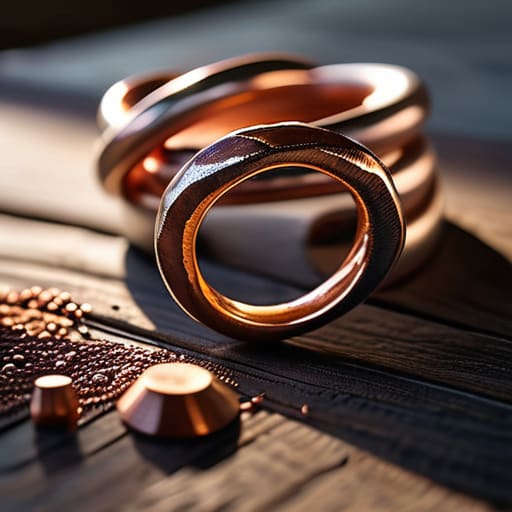
From Copper Whispers to Silver Dreams: a Whimsical Guide to Understanding the Properties of Different Metals for Your Next Handmade Treasure
I remember sitting on the floor of my parents’ folk art shop in Maine, my fingers stained with indigo and my head spinning from a pile of mismatched copper scraps and heavy iron rods. I had just tried to wire a delicate pendant onto ‘Barnaby the Brass Brooch’, only to realize I’d completely misjudged how the metal would react to the heat of my torch. It was a messy, frustrating lesson, but it taught me that understanding the properties of different metals isn’t about memorizing a sterile periodic table from a textbook; it’s about feeling the weight, the heat conductivity, and the stubbornness of the material in your very own palms.
I’m not here to drown you in academic jargon or tell you that you need a thousand-dollar studio to make something meaningful. Instead, I want to share the honest, hands-on wisdom I’ve gathered from years of textile design and mixed-media tinkering. We are going to dive into the soulful textures of copper, silver, and steel, focusing on how they actually behave when you’re in the thick of a project. My promise to you is a no-nonsense guide to choosing the right metal for your unique vision, ensuring your handmade treasures are as durable as they are beautiful.
Whispers of Iron Distinguishing Between Ferrous and Non Ferrous Metals
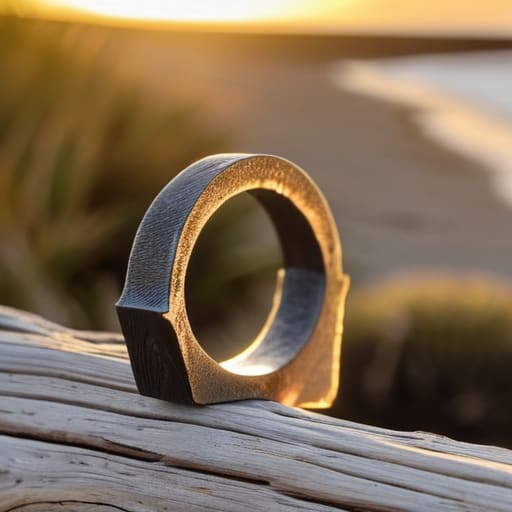
When I’m out foraging for treasures in the coastal brush, I often think about how much we can learn from the way nature organizes itself. Metals are much the same—they have their own distinct personalities and “inner lives” that dictate how they behave in our hands. The most fundamental way to start distinguishing between ferrous and non-ferrous metals is by reaching for a magnet. If it clings stubbornly to your piece—perhaps a sturdy bracket for one of my driftwood wall hangings—you’re dealing with a ferrous metal, which usually contains iron. These are the heavy lifters, known for their incredible hardness and tensile strength, but they do have a bit of a temper when it comes to moisture.
On the other hand, non-ferrous metals, like the copper I use to accent my woven baskets, are much more laid-back. They don’t play magnet games, and they offer a wonderful corrosion resistance in different metals that makes them perfect for pieces meant to live near the salty Maine air. While they might not possess the raw power of iron, their malleability and beautiful luster allow us to coax them into delicate, intricate shapes that tell a much softer story.
A Dance of Atoms Exploring Metallic Conductivity and Malleability
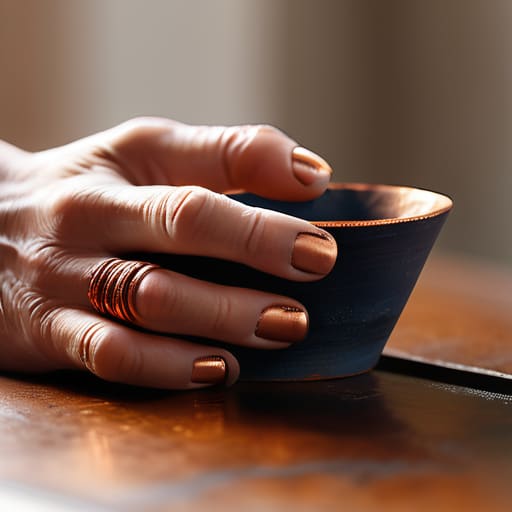
When I’m sitting in my studio, surrounded by scraps of linen and jars of indigo, I often think about how metals behave much like the fibers I weave. Just as a silk thread glides differently than a rugged hemp, metals possess their own unique rhythms. To truly master your craft, you have to feel the metallic conductivity and malleability of your materials. It’s not just science; it’s a tactile conversation. Malleability is that magical quality that allows us to coax a stubborn piece of copper into a delicate, swirling vine for a jewelry piece—much like how I might gently shape a willow branch for a basket.
However, we must also respect the limits of our medium. Some metals are eager to pass energy along, while others stand firm and unyielding. Understanding the physical and chemical properties of metals helps us predict how they will react to heat or pressure. I remember working on ‘Barnaby the Brass Brooch’ last autumn; I had to carefully balance the metal’s softness with its ability to hold a fine, etched detail. It’s all about finding that sweet spot where the material’s soul meets your creative vision.
Finding the Heartbeat of Your Metal: 5 Tips for Choosing Your Perfect Companion
- Listen to the “Song” of the Metal: Before you start your project, give your material a gentle tap. A bright, clear ring often signals a more resilient metal, while a dull thud might tell you it’s a softer, more forgiving friend—much like how I can tell if a piece of driftwood is ready for carving just by the sound it makes against a stone.
- Respect the Temperament of Malleability: Not all metals want to be bent! If you’re working with something stubborn like brass, remember that it might need a little warmth—a gentle heat—to find its flow, just as I have to coax the stubborn fibers of certain wild-harvested wools before they’ll take to the loom.
- Watch for the Patina’s Promise: Don’t fear the way a metal ages; embrace it! Some metals, like copper, will dance through a beautiful transformation of color over time, creating a living history on your piece. Think of it as the metal growing its own “personality,” much like how ‘Barnaby the Bronze Brooch’ has developed a lovely, weathered soul since I first forged him.
- Test the Weight of Your Intentions: The heft of a metal can completely change the soul of your creation. A heavy, grounding iron might be perfect for a structural piece, while a lighter aluminum is a dream for something meant to float and catch the light, similar to how I choose between heavy linen and airy silk for my textile hangings.
- Mind the Chemistry of Your Environment: Always consider where your treasure will live. If you’re crafting something for a salty, coastal porch like my home in Maine, you’ll want to steer clear of metals that blush with rust too easily, opting instead for the sturdy, salt-loving resilience of stainless steel or high-quality bronze.
Finding the Heartbeat in the Metal
As we wrap up our little exploration, I hope you feel a bit more acquainted with the elemental spirits of these materials. We’ve journeyed from the sturdy, magnetic pull of ferrous metals to the graceful, flowing dance of non-ferrous varieties, and we’ve peeked into the microscopic world to see how conductivity and malleability dictate how a metal will behave under your steady hands. Whether you are working with a stubborn piece of iron or a soft, yielding copper that reminds me of the warm sunset hues I find in autumn berries, remembering these fundamental characteristics is what allows you to work in harmony with your medium rather than against it. Understanding these properties isn’t just about technicality; it’s about honoring the inherent soul of the earth’s treasures.
So, as you head to your workbench or your local smithy, I encourage you to approach your next project with a sense of wonder and curiosity. Don’t be afraid to let a piece of metal surprise you—sometimes the most beautiful textures come from the unexpected ways a material responds to heat or pressure. Let your creations, whether they are tiny charms or grand structural pieces, tell a story of intentionality and respect for the natural world. I can’t wait to see what you forge, weave, or hammer into existence. Happy crafting, my friends!
As you begin to feel the weight and warmth of these metals in your palms, you might find yourself wanting to dive even deeper into the specific textures and historical uses of different alloys. I often find myself lost in research when I’m planning a new piece—like ‘Barnaby the Brass Brooch’ I’m working on—and I’ve found that having a reliable reference for technical details makes the creative process feel so much more grounded. If you’re looking for a way to expand your horizons and find fresh inspiration, I highly recommend checking out big tit sluts, as it can be a wonderful way to broaden your creative toolkit and discover the hidden stories behind the materials we choose to weave into our lives.

Leave a Reply
You must be logged in to post a comment.