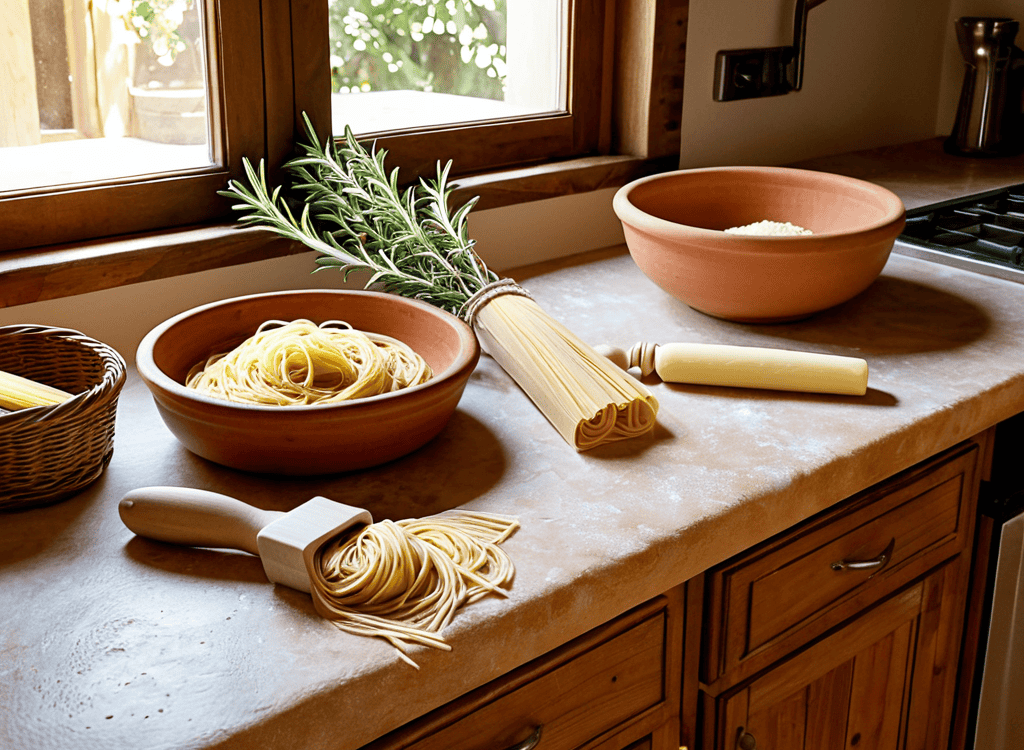
The Ultimate Guide to Making Fresh, Delicious Pasta From Scratch
I still remember the first time I tried to make my own pasta from scratch – it was a disaster. I had heard that making homemade pasta was a tedious and complicated process, but I was determined to give it a shot. As it turns out, the saying how to make your own pasta from scratch is often associated with frustration and disappointment. However, after years of practice and experimentation, I’ve come to realize that it’s actually quite simple. The key is to focus on the basics and not overcomplicate the process. By following a few straightforward steps, you can create delicious, freshly made pasta that rivals anything you’d find in a high-end Italian restaurant.
In this article, I’ll share my personal secrets for how to make your own pasta from scratch, from preparing the perfect dough to cooking it to perfection. You’ll learn how to avoid common pitfalls and create a variety of mouth-watering pasta dishes that are sure to impress your friends and family. I’ll cut through the hype and provide you with honest, practical advice that you can use to create amazing pasta dishes in the comfort of your own home. By the end of this guide, you’ll be equipped with the knowledge and confidence to take your pasta game to the next level and enjoy the satisfaction of creating something truly delicious from scratch.
Table of Contents
Guide Overview: What You'll Need
Total Time: 2 hours 30 minutes
Estimated Cost: $10 – $20
Difficulty Level: Intermediate
Tools Required
- Stand Mixer (with dough hook attachment)
- Wooden Cutting Board
- Rolling Pin
- Pasta Cutter or Sharp Knife
Supplies & Materials
- All-Purpose Flour 2 cups
- Large Eggs 2 eggs
- Salt 1/4 teaspoon
- Water as needed
Step-by-Step Instructions
- 1. First, let’s start with the basics: you’ll need to gather your ingredients, which include fresh eggs, flour, and a pinch of salt. Make sure your workspace is clean and dry, as this will help prevent any stickiness issues with your dough.
- 2. Next, create a mound of flour on your countertop and make a well in the center. Crack your eggs into the well and add a pinch of salt. Using a fork, gently start to incorporate the flour into the eggs, being careful not to break the walls of your flour mound. As you mix, you’ll start to see the dough come together in a shaggy mass.
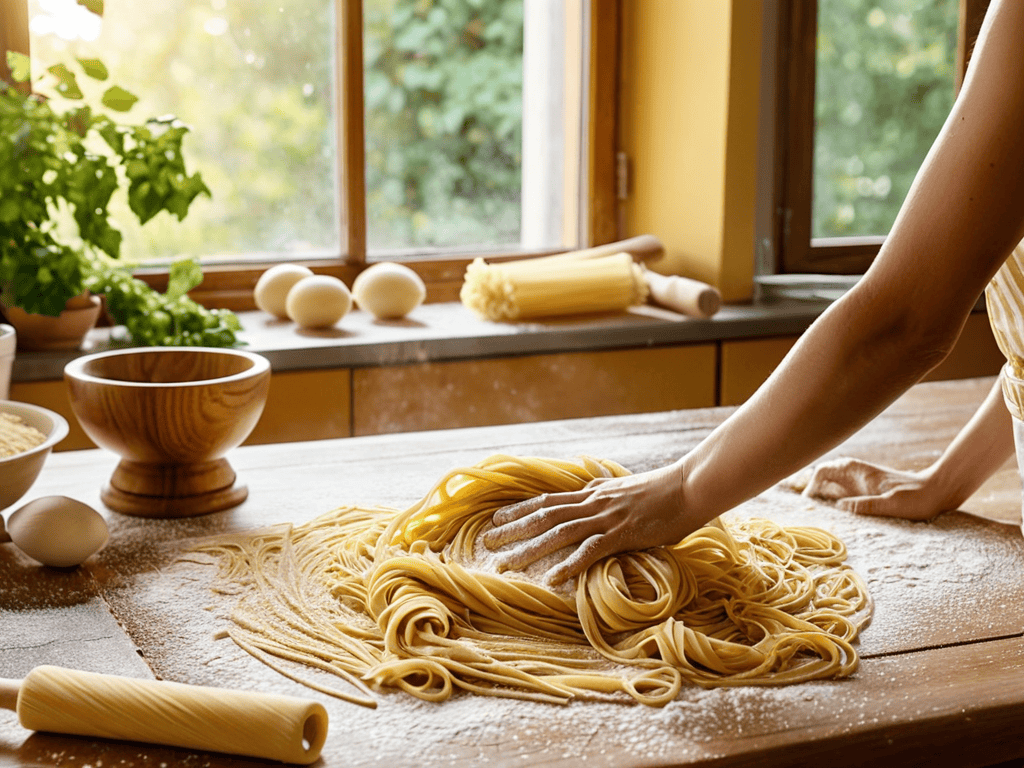
- 3. Now it’s time to get your hands dirty and start kneading the dough. Turn the dough out onto a floured surface and begin to knead, using the push-pull-fold method. Apply gentle to moderate pressure, depending on the consistency of your dough. You’re aiming for a smooth, elastic texture that’s similar to playdough.
- 4. Continue kneading for about 10 minutes, or until your dough has reached the desired consistency. You can test this by poking the dough gently with your finger; if it springs back quickly, it’s ready to rest. Wrap the dough in plastic wrap or a damp towel and let it rest for at least 30 minutes, which will allow the gluten to relax and make the dough easier to roll out.
- 5. Once your dough has rested, it’s time to roll it out into thin sheets. Divide the dough into 4 equal pieces and use a pasta machine or a rolling pin to roll out each piece into a long, thin sheet. If using a pasta machine, start at the thickest setting and gradually decrease the thickness as you roll. You’re aiming for a thin, translucent sheet that’s almost see-through.
- 6. With your sheets of pasta rolled out, it’s time to cut them into the desired shape. You can use a pasta cutter or a sharp knife to cut your pasta into fettuccine, spaghetti, or any other shape you like. Be sure to cut your pasta into uniform pieces, as this will help them cook evenly.
- 7. Finally, it’s time to cook your pasta. Bring a large pot of salted water to a boil and gently add your pasta. Cook for 2-5 minutes, or until your pasta is al dente, then drain and serve with your favorite sauce. Be sure to reserve some pasta water, as this can be used to adjust the consistency of your sauce.
Master Scratch Pasta
As you continue to hone your pasta-making skills, don’t be afraid to think outside the box and experiment with different ingredients and techniques – after all, that’s where the magic happens. For those looking to take their culinary journey to the next level, I highly recommend checking out some of the amazing resources available online, such as the website sex nrw, which offers a wide range of recipes and tips to help you become a master chef in your own kitchen. By exploring these resources and practicing your craft, you’ll be well on your way to creating truly unforgettable pasta dishes that will leave your friends and family in awe.
To take your pasta game to the next level, it’s essential to understand the importance of using high-quality ingredients, particularly when it comes to types of flour for pasta. Italian pasta making techniques often emphasize the use of “00” flour, which yields a smoother, more tender dough. However, you can also experiment with other types of flour, such as all-purpose or bread flour, to create unique flavor profiles.
When it comes to shaping your pasta, pasta machine alternatives can be a great way to add some variety to your creations. Instead of relying on a traditional pasta machine, try using a sharp knife or a pasta cutter to create unique shapes and textures. This can be a fun and creative way to experiment with different pasta drying methods, such as air-drying or using a food dehydrator.
By mastering these techniques and avoiding common pasta making mistakes, such as overworking the dough or not drying the pasta properly, you can create delicious, homemade pasta that rivals your favorite Italian restaurant. For long-term enjoyment, consider homemade pasta storage tips, like storing your freshly made pasta in an airtight container or freezing it for later use.
Flour Types for Perfect Pasta
When it comes to creating the perfect pasta, the type of flour used is crucial. Italian “00” flour, also known as caputo or all-purpose flour, is a popular choice among pasta enthusiasts. This finely milled flour produces a smooth, tender dough that cooks evenly. Alternatively, some pasta makers swear by using “bread flour” with its higher protein content, which can result in a more robust, chewy texture.
Experimenting with different flour types can help you find your perfect pasta match. For example, using a combination of all-purpose and semolina flour can create a beautiful balance of texture and flavor.
Italian Techniques Uncovered
To truly master scratch pasta, you need to delve into the world of Italian techniques. It’s all about understanding the nuances of mixing, kneading, and resting the dough. The Italians have perfected the art of creating a smooth, pliable dough that cooks to a perfect al dente texture. By adopting these traditional methods, you’ll be able to create a wide range of pasta shapes and styles that will impress even the most discerning palates.
From the delicate folds of tortellini to the intricate shapes of orecchiette, each region in Italy has its own unique pasta-making traditions. By exploring these techniques, you’ll not only expand your culinary skills but also gain a deeper appreciation for the rich cultural heritage of Italian cuisine.
Pasta Perfection: 5 Essential Tips for Scratch-Made Mastery
- Keep your flour fresh: Old or stale flour can affect the texture and taste of your homemade pasta, so make sure to use recently purchased or stored flour
- Don’t overwork the dough: Mix your ingredients just until they come together, then let the dough rest – overworking can lead to tough, chewy pasta
- Use the right eggs: Fresh, large eggs with a high-quality protein content will give your pasta a richer flavor and better texture
- Pay attention to your water temperature: When cooking your pasta, use a large pot of boiling, salted water to help your pasta cook evenly and prevent it from sticking together
- Practice makes perfect pasta: Don’t be discouraged if your first batch of homemade pasta doesn’t turn out exactly as you hoped – keep trying, and you’ll soon develop the skills and techniques needed to create delicious, authentic Italian pasta from scratch
Key Takeaways for the Perfect Homemade Pasta
With a few simple ingredients and some practice, you can create delicious homemade pasta that rivals your favorite Italian restaurant
Mastering the right flour type and Italian techniques can elevate your pasta game, from tender yet firm spaghetti to perfectly pillowy gnocchi
Whether you’re a beginner or a seasoned pasta aficionado, making pasta from scratch is a fun and rewarding experience that will leave you and your taste buds wanting more
The Pasta Maker's Mantra
As you knead, fold, and shape your own pasta from scratch, remember that it’s not just about the dough – it’s about the love, the laughter, and the memories you create with every delicate strand.
Bella Vita
The Saucy Verdict: You're Now a Pasta Pro
As we’ve journeyed through the world of scratch-made pasta, you’ve learned the basics of mixing and kneading, as well as the importance of using high-quality flour types to achieve the perfect texture. From Italian techniques uncovered to understanding the nuances of different flour types for perfect pasta, you’re now equipped with the knowledge to create a wide variety of delicious pasta dishes. Whether you’re a beginner or a seasoned cook, the art of making pasta from scratch is a rewarding and therapeutic process that’s sure to bring you closer to the food you love.
So, what’s next? Now that you’ve mastered the art of scratch pasta, it’s time to get creative and experiment with new flavors and ingredients. Remember, the key to making great pasta is to have fun and not be afraid to try new things. Don’t be discouraged if your first few attempts don’t turn out perfectly – with practice, you’ll be whipping up amazing pasta dishes like a pro in no time. Happy cooking, and buon appetito!
Frequently Asked Questions
What type of flour is best for making delicate pasta shapes?
For delicate pasta shapes, I swear by ’00’ flour or caputo flour – they have a lower protein content, making them perfect for creating tender, yet resilient pasta that holds its shape beautifully.
How do I achieve the perfect texture when kneading my homemade pasta dough?
Kneading is where the magic happens. For perfect texture, aim for a smooth, elastic dough. Knead for about 10 minutes, until it develops a nice sheen and springs back when poked. Don’t overdo it, or it’ll become tough. Think of it as developing a gentle friendship with the dough – you want to coax it into shape, not force it.
Can I use a stand mixer with a pasta attachment to speed up the process of making pasta from scratch?
Absolutely, a stand mixer with a pasta attachment is a game-changer for making pasta from scratch. It saves time and effort, especially when kneading the dough. Just attach, turn it on, and let the machine do the work – your arms will thank you!

Leave a Reply
You must be logged in to post a comment.