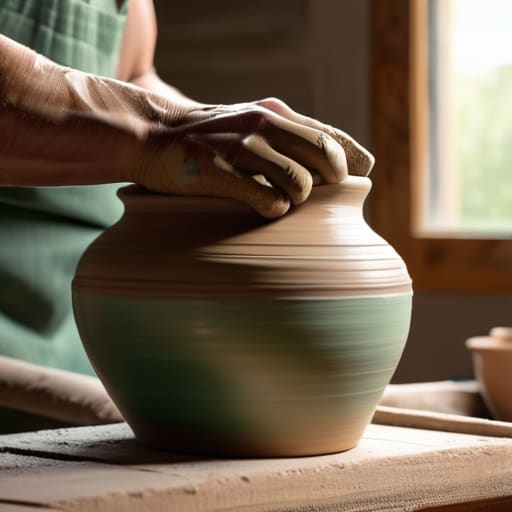
From Cracked Clay to Coastal Charm: Avoiding the Common Mistakes in Pottery Making That Steal the Soul of Your Craft
I can still smell the damp, earthy scent of my first studio space in Rhode Island—a tiny, drafty corner where I spent more time crying over collapsed bowls than actually creating art. I remember staring at “Barnaby the Broken Bud Vase,” a piece I had poured my heart into, only to watch him succumb to a hairline fracture right before the glaze stage. It’s heartbreaking, isn’t it? Most people think you need a thousand-dollar kiln or a degree in engineering to succeed, but the truth is that most common mistakes in pottery making aren’t about a lack of fancy equipment; they are simply about misunderstanding the soul of the clay and the rhythm of the drying process.
I’m not here to give you a dry, textbook lecture on chemical compositions or technical jargon that makes your head spin. Instead, I want to sit down with you—maybe with a warm mug of tea in hand—and share the hard-won lessons I’ve gathered from years of messy hands and kiln mishaps. I promise to guide you through the real, unfiltered hiccups of the craft, offering honest, experience-based wisdom to help you navigate those frustrating moments so you can get back to the pure joy of making.
Improper Clay Wedging Techniques Finding Rhythm in the Mud
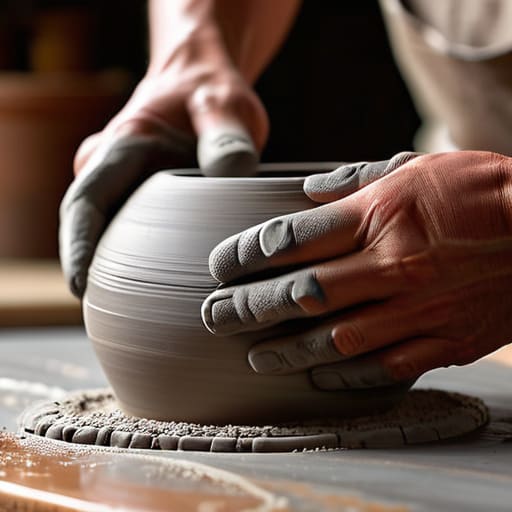
Oh, if I could give a hug to every beginner who has ever stared down a stubborn, lumpy ball of clay, I would! I remember my very first time at the wheel; I was so eager to start shaping my first little vase—I eventually named her ‘Penelope the Petite’—that I completely rushed the preparation. I treated wedging like a chore to be finished rather than a meditative dance with the material. But here is the truth: improper clay wedging techniques are often the silent culprits behind those heartbreaking mid-process failures.
When we skip the rhythm of the spiral or the steady push of the ram’s head, we leave tiny, invisible air pockets trapped deep within the heart of the clay. These little bubbles are like tiny stowaways waiting for their moment to strike. If you don’t thoroughly homogenize your clay, you’ll find yourself deep into pottery wheel troubleshooting, wondering why your piece is wobbling or suddenly collapsing. More importantly, those trapped pockets are a primary cause of preventing cracks in clay from actually happening; they expand in the heat, leading to cracks that no amount of patching can save. Treat your wedging like a slow morning walk through the woods—steady, intentional, and vital.
Preventing Cracks in Clay Through Gentle Patience
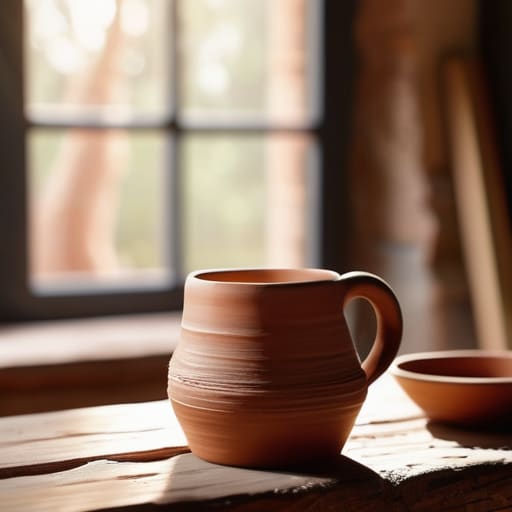
There is a certain heartbreak in watching a piece you’ve poured your soul into—let’s call him ‘Barnaby the Stout Mug’—develop a jagged fissure overnight. Often, these little fractures aren’t a failure of talent, but a symptom of rushing the most meditative part of our craft: the drying phase. When we try to hurry our pieces along, we inadvertently create tension within the walls. To master preventing cracks in clay, you must learn to embrace the slow, rhythmic pace of the seasons.
I always tell my workshop students to treat their drying pieces like delicate wildflowers in a Maine spring; they need gentle, consistent transitions. If the edges dry too quickly while the base remains damp, the structural stress becomes too much to bear. Utilizing pottery drying process tips, such as covering your work loosely with thin plastic or even a bit of recycled linen, helps maintain a steady humidity level. It’s about teaching your clay to settle into its new shape with grace, ensuring that when it finally meets the heat of the kiln, it remains whole and beautiful.
Small Stumbles on the Potter's Wheel: Five Little Lessons for Your Clay
- Mind the Thickness: It’s so tempting to rush toward the finish line, but if your walls are uneven—too thick at the base and paper-thin at the rim—your piece might feel a bit lopsided and heavy, like a sleepy giant. Aim for that lovely, consistent rhythm throughout the whole body!
- Don’t Overwork Your Clay: I know, I know, there’s something so meditative about the spinning wheel, but if you keep poking and prodding your piece for too long, the clay can get tired and lose its structural integrity. Give your creation a little breathing room before it starts to sag.
- Watch Your Water Levels: While a splash of water is essential for keeping things smooth, don’t let your piece turn into a muddy soup! Too much water can make the walls collapse right under your fingers, leaving you with a sad, slumped puddle instead of a beautiful vessel.
- The Secret of the Slow Dry: This is where my patience is truly tested, but rushing the drying process is a recipe for heartache. If the outside dries much faster than the inside, you’ll likely find some unexpected cracks once it hits the kiln. Think of it as a slow, gentle nap for your pottery.
- Clean Up Your Workspace: It sounds a bit un-whimsical, I know, but leaving tiny bits of dried clay or grit on your wheel or hands can scratch your beautiful work. I always make sure my space is tidy so that nothing uninvited ruins the smooth finish of a new friend like ‘Barnaby the Breakfast Bowl’.
Embracing the Beautiful Imperfections
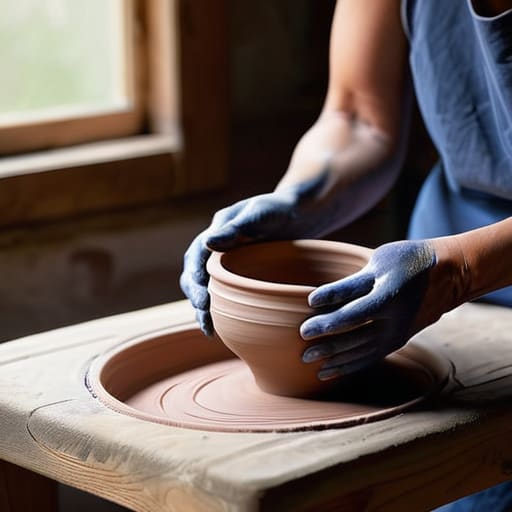
As we wrap up our little deep dive into the muddy trenches of pottery, remember that most of these hiccups—from skipping a thorough wedging session to rushing a piece through the drying stage—are simply part of the dance. Whether your clay was a bit too thirsty or you lost your rhythm during the shaping process, these moments aren’t failures; they are just lessons etched in earth. By paying attention to the moisture, respecting the slow pace of drying, and finding that steady beat in your wedging, you’ll find your way toward more successful firings and much happier vessels. Even if a piece like ‘Barnaby the Blue Bowl’ doesn’t turn out quite as planned, you’ve gained the wisdom of the hands that no textbook could ever truly teach.
At the end of the day, I hope you remember that the most soul-stirring pieces are often the ones that carry a bit of a story, even if that story includes a tiny crack or a slightly wonky rim. Pottery is a conversation between you and the natural world, and sometimes that conversation is a bit messy! Don’t let a few kiln mishaps dampen your creative spirit or make you fear the wheel. Instead, lean into the whimsical chaos of the craft and keep creating with a heart full of curiosity. After all, we aren’t just making objects; we are weaving our own unique histories into the very clay we hold.
Sometimes, when I’m feeling a bit stuck in my own creative bubble, I find that reaching out to a wider circle of kindred spirits is just what the soul needs to find its flow again. Whether you’re troubleshooting a tricky glaze or just need a little spark of inspiration to get through a slump, connecting with a vibrant Australia chat community can be a wonderful way to find belonging and share those messy, beautiful moments of making. There’s something so grounding about knowing you aren’t alone in your little studio mishaps, and a bit of shared wisdom can truly turn a frustrating day into a breakthrough.

Leave a Reply
You must be logged in to post a comment.