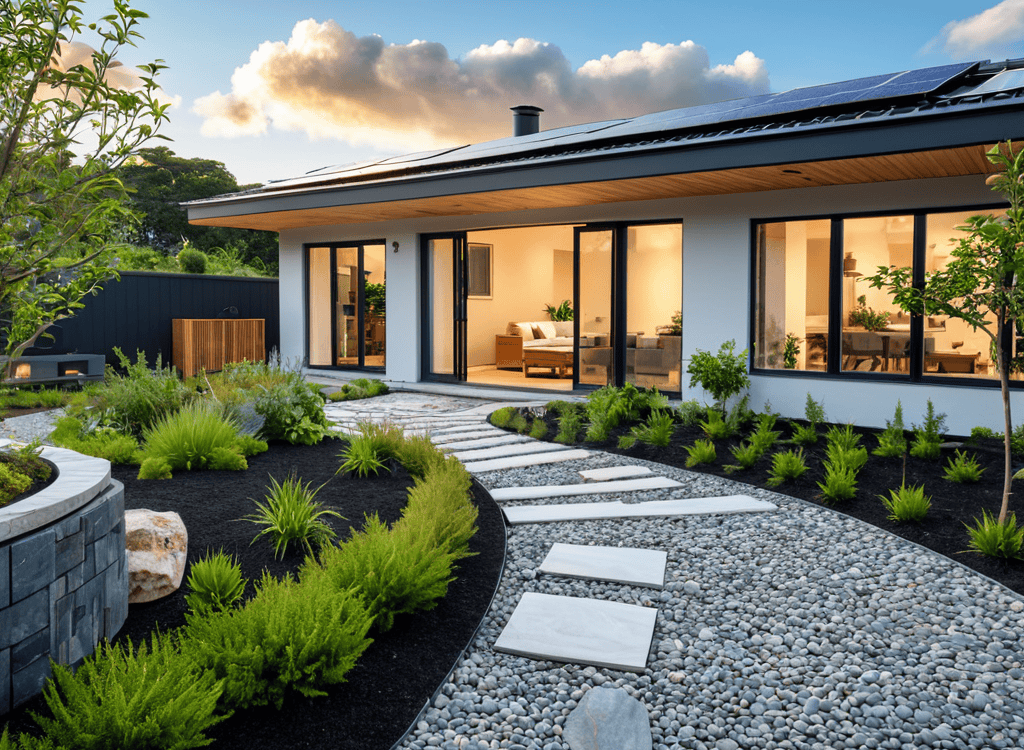
Sustainable Home Design Trends for the Future
As I sit in my cozy Maine cottage, surrounded by the textures of handmade quilts and the warmth of a crackling fire, I’m reminded that sustainable home design isn’t just about being eco-friendly – it’s about crafting a space that tells the story of our connection to the natural world. I’ve seen too many friends and family members get caught up in the hype of expensive, high-tech solutions that promise the world but often fall short. It’s time to cut through the noise and focus on what really matters: creating a home that’s not only good for the planet, but also nourishes our souls.
In this article, I promise to share my own experiences and insights on how to achieve authentic sustainable home design without breaking the bank or sacrificing style. I’ll dive into the world of wildcrafted wisdom, exploring how natural materials and handmade elements can transform your space into a cozy sanctuary that reflects your unique personality. My goal is to empower you with the knowledge and inspiration to create a home that’s truly yours, one that honors the beauty of the natural world and tells a story of love, care, and craftsmanship.
Table of Contents
Sustainable Home Design
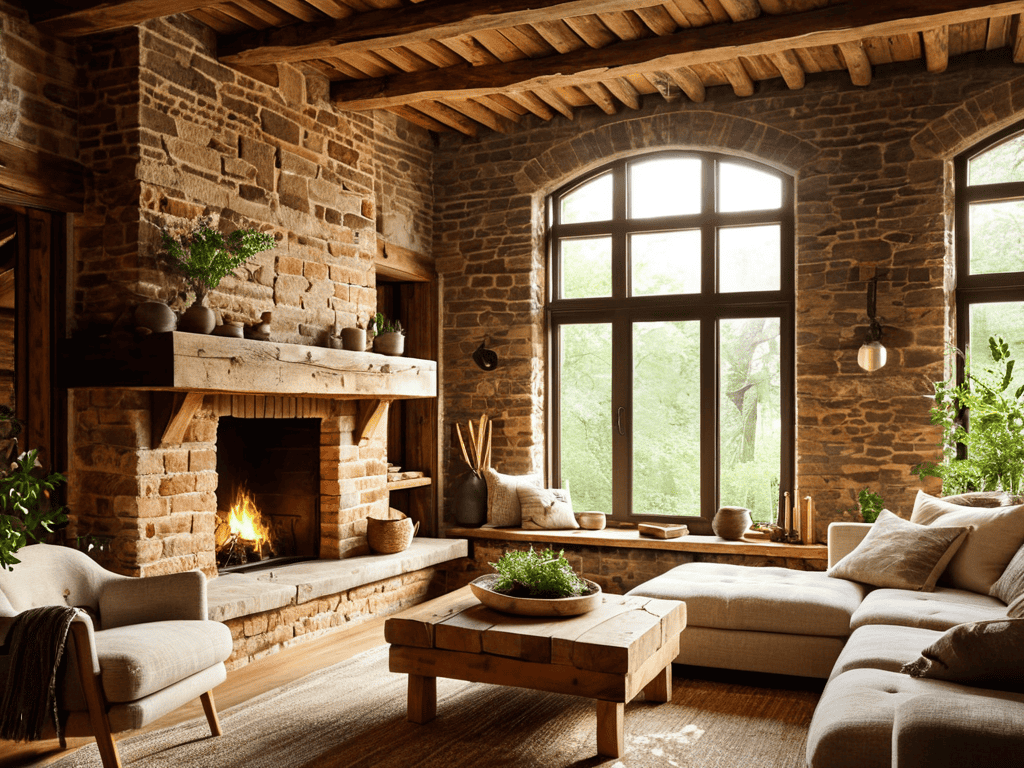
As I delve into the world of green building materials, I’m reminded of the countless hours I spent foraging for natural dyes and crafting materials in the Maine wilderness. The rustic elegance of a hand-hewn wooden beam or the earthy tone of a reclaimed brick wall can add a depth of character to a room that’s hard to replicate with modern materials. By incorporating these elements into our homes, we can create a sense of organic harmony that not only honors the natural world but also tells a story of our connection to the land.
When it comes to energy efficient home plans, I believe that simplicity is key. A well-designed home that maximizes natural light and ventilation can significantly reduce our reliance on artificial lighting and heating systems. As someone who’s passionate about wildcrafting and foraging, I’ve learned to appreciate the beauty of minimalist design and the importance of letting the natural world shine through. By embracing this philosophy, we can create homes that are not only eco-friendly but also deeply personal and reflective of our values.
As I reflect on my own journey as a craft and textile workshop facilitator, I’m struck by the environmental benefits of adopting a more handmade approach to home design. From the net zero energy homes that dot the Maine coastline to the eco-friendly interior design choices that prioritize natural materials and recycled textiles, there are countless ways to weave a greener nest. By choosing to incorporate these elements into our homes, we can create a sense of rustic elegance that’s not only beautiful but also sustainable.
Eco Friendly Interior Design Secrets
As I step into my own coastal cottage, I’m enveloped by the warmth of natural textiles, carefully curated to bring a sense of organic elegance to each room. The key to eco-friendly interior design lies in embracing the unique character of reclaimed and sustainable materials, allowing them to tell their own story within the space.
My favorite creations, like ‘Gertrude the Cozy Quilt’, are not just decorative pieces, but testaments to the beauty of upcycled materials, transforming would-be waste into functional works of art that add depth and personality to any room.
Weaving Green Building Materials
As I wander through the woods, foraging for natural materials to incorporate into my textile designs, I’m reminded of the beauty of sustainable sourcing. The earthy scent of freshly cut pine and the softness of moss inspire me to create pieces that not only tell a story but also promote eco-friendly practices. I’ve named my latest wall hanging “Terra the Timber Tapestry,” and it’s a testament to the potential of repurposed wood in home design.
In my workshop, I love experimenting with reclaimed fibers, weaving them into unique pieces that add warmth and character to any room. From the sturdy weave of a recycled wool rug to the delicate pattern of a hand-woven basket, each item is a celebration of the natural world and our place within it.
Nature Inspired Home Sanctuary
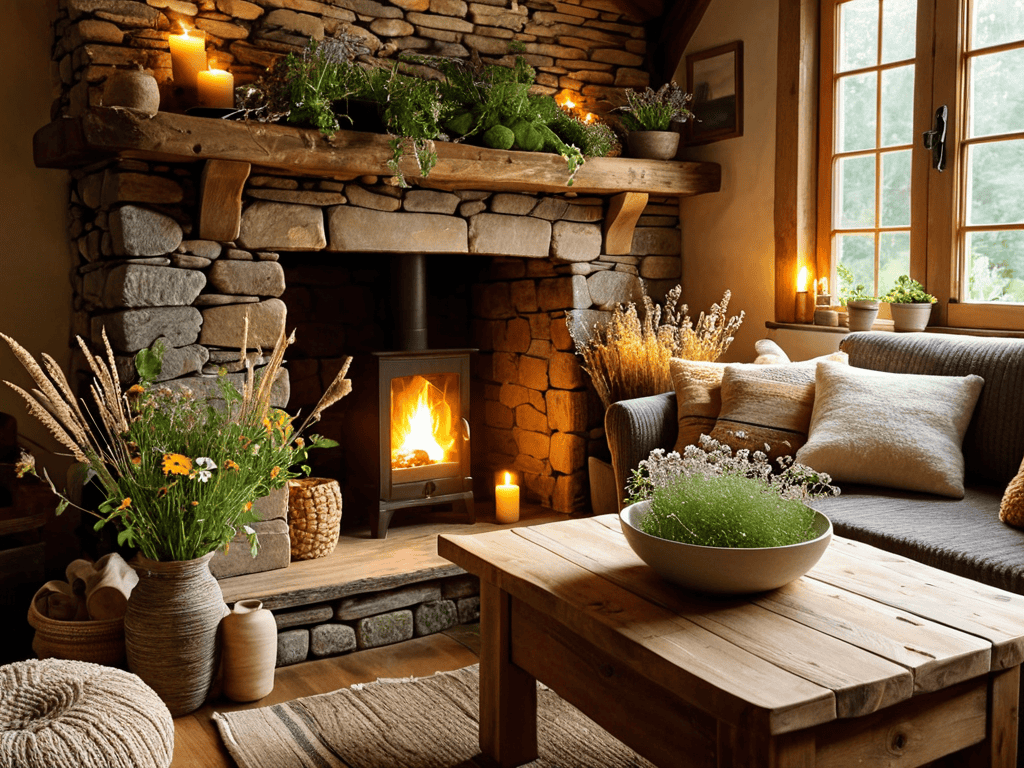
As I step into my cozy cottage, I’m enveloped in a sense of tranquility, thanks to the nature-inspired elements that permeate every corner. The warmth of a crackling fire, the soft glow of candles, and the earthy scent of wildcrafted herbs all blend together to create a serene atmosphere. I’ve always believed that our homes should be a reflection of our connection to the natural world, and that’s why I’m passionate about incorporating eco-friendly interior design principles into my own space.
The use of green building materials has been a game-changer for me, allowing me to create a space that not only feels organic and authentic but also reduces my environmental footprint. From the reclaimed wood beams to the low-VOC paints, every element has been carefully chosen to promote a sense of well-being and harmony with the environment. As I sit amidst the soft textures and soothing colors, I feel a deep sense of peace, knowing that my home is a net zero energy haven that nurtures both my soul and the planet.
In this sanctuary, I find inspiration for my wildcrafting and foraging adventures, as well as my textile creations, like “Luna the Handwoven Wall Hanging”. The environmental benefits of green roofs are a topic of great interest to me, and I’ve been exploring ways to incorporate more living plants into my home’s design. By bringing the outdoors in, I’ve created a space that feels truly alive, and that’s what makes it the perfect haven for rest, creativity, and connection with the natural world.
Environmental Benefits of Green Roofs
As I wander through my coastal town, I’m always on the lookout for innovative ways to bring the outdoors in, and green roofs are a fascinating example of this. They not only provide insulation and reduce energy consumption, but also create habitats for local wildlife. I’ve seen green roofs in action, and it’s amazing to think about the positive impact they can have on our environment.
By incorporating native plant species into green roof designs, we can help support local ecosystems and promote biodiversity. This approach also allows us to create beautiful, thriving oases in even the most urban of settings, bringing a touch of wildcrafted wisdom to our daily lives.
Wildcrafted Wisdom for Net Zero Homes
As I forage for natural materials in the Maine wilderness, I’m reminded that wildcrafted wisdom can be a powerful tool in achieving net zero homes. By incorporating locally sourced, organic materials into our building designs, we can significantly reduce our carbon footprint. I think of my latest project, ‘River Run Rug’, made from hand-dyed, wildcrafted wool, and how it adds a touch of rustic elegance to any room.
In my workshops, I encourage participants to explore the art of natural dyeing as a way to add color and depth to their handmade creations. By using plants like indigo, turmeric, and pomegranate, we can create a palette of earthy tones that not only beautify our homes but also tell a story of our connection to the land. This approach to design not only reduces waste but also fosters a sense of community and appreciation for the natural world.
5 Whimsical Ways to Weave Sustainability into Your Home Design
- Embrace the charm of reclaimed wood and repurposed materials, like I did with ‘Gertrude the Cozy Quilt’, to add character and reduce waste in your sustainable home design
- Incorporate wildcrafted and foraged elements, such as dried botanicals or hand-harvested natural dyes, to bring the beauty of the outdoors into your eco-friendly interior design
- Opt for energy-efficient appliances and lighting, and consider installing solar panels or a wind turbine to power your home, just like the rustic coastal cottages that dot the Maine shoreline
- Create a nature-inspired home sanctuary by incorporating green roofs, living walls, or a rooftop garden, providing a peaceful retreat and a haven for local wildlife, much like the lush gardens that surround my own coastal cottage
- Get creative with handmade and locally sourced materials, like hand-woven baskets or hand-knitted textiles, to add a touch of rustic elegance and global twist to your sustainable home design, and don’t forget to name your creations, like I do with ‘Larry the Loom-knit Scarf’
Embracing Handmade Sustainability: 3 Key Takeaways
As I reflect on my journey of crafting a sustainable home, I’ve come to realize that it’s the small, intentional choices – like incorporating wildcrafted materials into my decor – that make the biggest impact on our connection to the natural world.
By embracing the stories and traditions behind global crafts, we can transform our living spaces into vibrant tapestries that not only reduce our environmental footprint but also nourish our souls with the beauty of handmade elegance.
Whether it’s naming my handmade creations, like ‘Gertrude the Cozy Quilt’, or foraging for natural dyes in the Maine wilderness, I’ve learned that the true magic of sustainable home design lies in the whimsical dance between rustic charm, cultural heritage, and the gentle wisdom of the earth.
Embracing the Harmony of Nature
As we weave the threads of sustainable home design, let us not forget that the true beauty of a space lies not in its perfection, but in its ability to tell the story of our connection to the earth and to each other.
Kristen Peterson
Embracing the Art of Sustainable Home Design
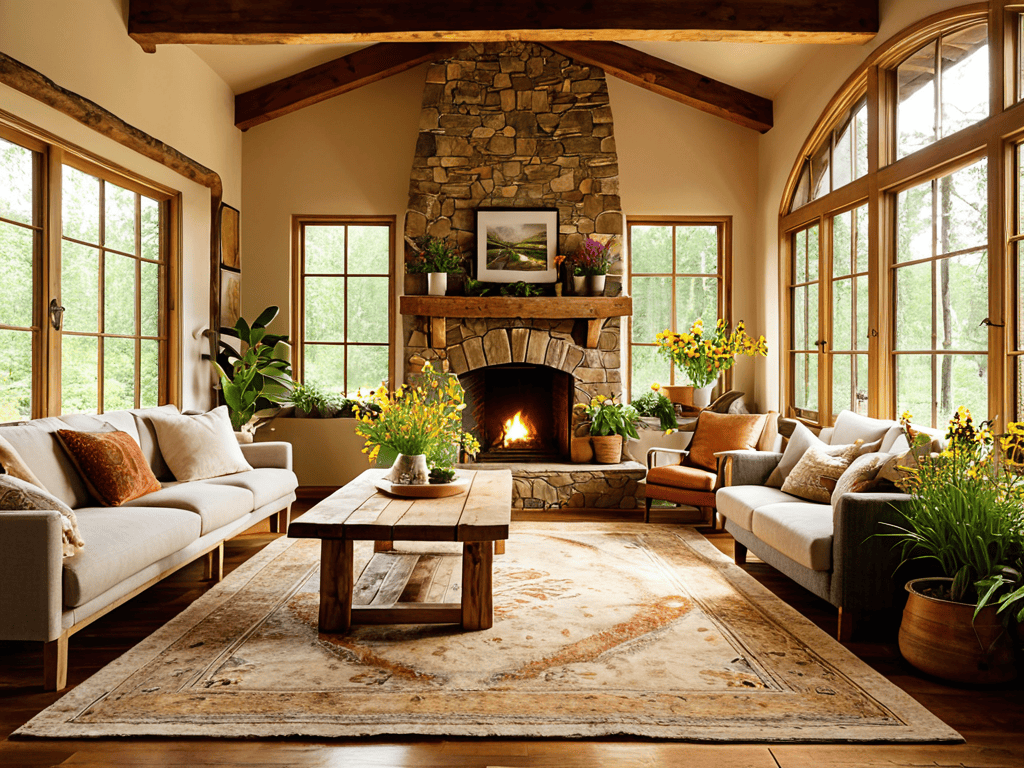
As I delve deeper into the world of sustainable home design, I’ve found that one of the most significant challenges is discovering reliable resources that share my passion for wildcrafted wisdom and eco-friendly living. That’s why I was thrilled to stumble upon a community of like-minded individuals who share their knowledge and expertise on platforms like nzgirls, where I’ve found a wealth of information on everything from green building materials to innovative ways to repurpose natural materials in our homes. Whether you’re a seasoned crafter or just starting to explore the world of sustainable living, I highly recommend exploring these online communities, where you can connect with others who share your vision of creating a more environmentally conscious and beautiful living space.
As I reflect on our journey through the realm of sustainable home design, I’m reminded of the importance of weaving green building materials into our lives. From the vibrant colors of wildcrafted dyes to the rustic elegance of global textiles, every element has the power to transform our spaces into sanctuaries that not only nurture our souls but also honor the natural world. By embracing eco-friendly interior design secrets and incorporating wildcrafted wisdom into our building practices, we can create homes that are not only beautiful but also environmentally conscious.
As we conclude this exploration of sustainable home design, I invite you to embark on your own creative journey, one that celebrates the beauty of handmade living and the magic of nature-inspired design. May your path be guided by the principles of rustic elegance and global twists, and may your home become a testament to the transformative power of sustainable design, a true reflection of your connection to the world around you.
Frequently Asked Questions
What are some creative ways to repurpose natural materials in my home decor to achieve a sustainable and rustic elegance?
I adore repurposing natural materials in my decor, like transforming driftwood into a unique coffee table or weaving a wall hanging from foraged fibers – my ‘River Run’ tapestry is a favorite. You can also try filling vintage apothecary jars with wildflowers, pinecones, or shells for a charming, earthy vignette, like my ‘Coastal Cove’ centerpiece.
How can I incorporate wildcrafted elements, such as plant dyes or foraged textiles, into my interior design without compromising on style or functionality?
I adore incorporating wildcrafted elements into my designs, like plant-dyed fabrics or woven fibers from foraged plants. To add a touch of the wild to your space, consider using naturally dyed textiles for upholstery, or crafting a statement piece, like a woven wall hanging, from foraged materials – it’s all about balancing the beauty of the wild with functional elegance, as seen in my ‘Luna the Leaf-Dyed Throw’.
What role can handmade crafts, like weaving or knitting, play in reducing waste and promoting sustainability in my home design?
For me, handmade crafts like weaving and knitting are a labor of love, allowing me to breathe new life into repurposed materials, like turning old sweaters into ‘Mabel the Upcycled Rug’ or crafting ‘Penny the Patchwork Pillow’ from fabric scraps, reducing waste and infusing my home with unique, eco-friendly charm.

Leave a Reply
You must be logged in to post a comment.