Smart Speaker Comparison: Who Wins the Voice Battle?
I still remember the frustration I felt when trying to decide on a smart speaker for my home. The Smart speaker comparison process was overwhelming, with each brand claiming to be the best. I spent hours researching, reading reviews, and comparing features, only to end up more confused than when I started. It seemed like every article or review I read was trying to sell me on a particular product, rather than giving me honest advice. I felt like I was stuck in a never-ending cycle of information overload, unable to make a decision.
As someone who’s been through the struggle, I want to offer you a no-nonsense guide to choosing the right smart speaker for your needs. In this article, I’ll cut through the hype and provide you with honest recommendations based on my own experience. I’ll compare the top smart speakers on the market, highlighting their strengths and weaknesses, and giving you the information you need to make an informed decision. My goal is to help you navigate the complex world of smart speakers and find the one that’s right for you, without any sales pitches or biased reviews.
Table of Contents
Amazon Echo
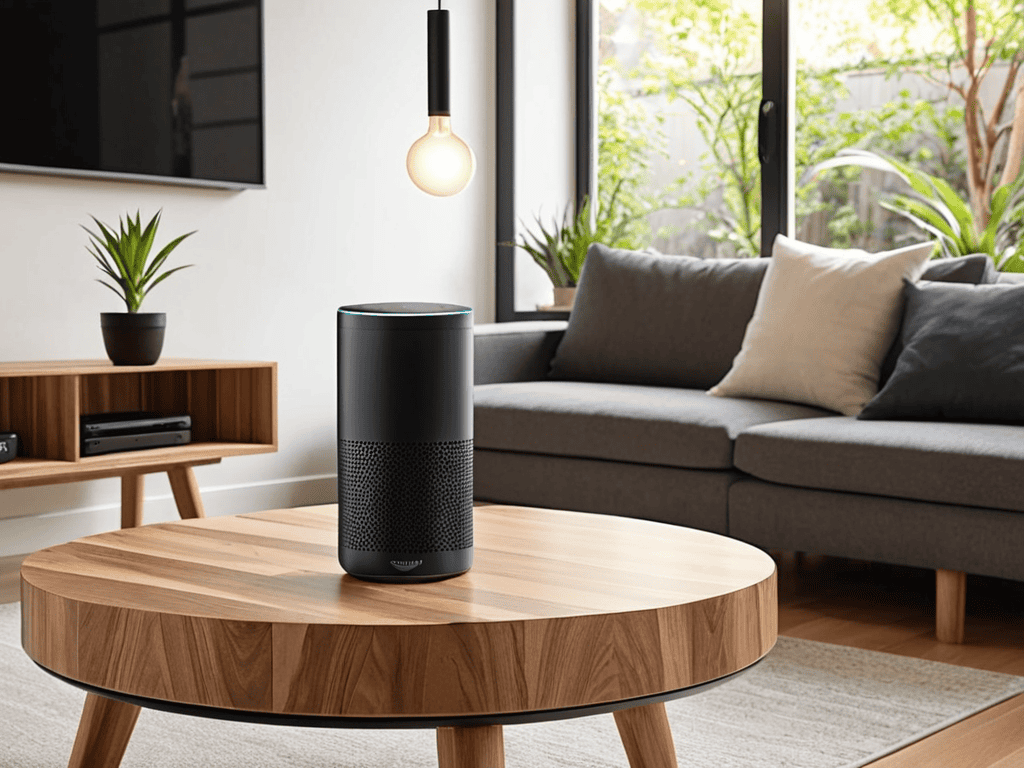
Amazon Echo is a smart speaker that uses voice recognition technology to play music, answer questions, and control other smart devices in your home. Its core mechanism relies on Alexa, a virtual assistant that can understand and respond to voice commands, making it a convenient and hands-free experience. The main selling point of Amazon Echo is its ability to seamlessly integrate with various smart devices, allowing users to control their home’s lighting, temperature, and security systems with just their voice.
The Amazon Echo’s technical capabilities translate to a real-world experience of effortless entertainment and convenience. For instance, you can ask Alexa to play your favorite music or podcast while you’re cooking dinner, and it will instantly start playing. This kind of hands-free experience is not only fun but also extremely useful, especially when you’re multitasking or have your hands full. With Amazon Echo, you can enjoy your favorite music, get news updates, or even set reminders without having to physically interact with the device.
Google Home
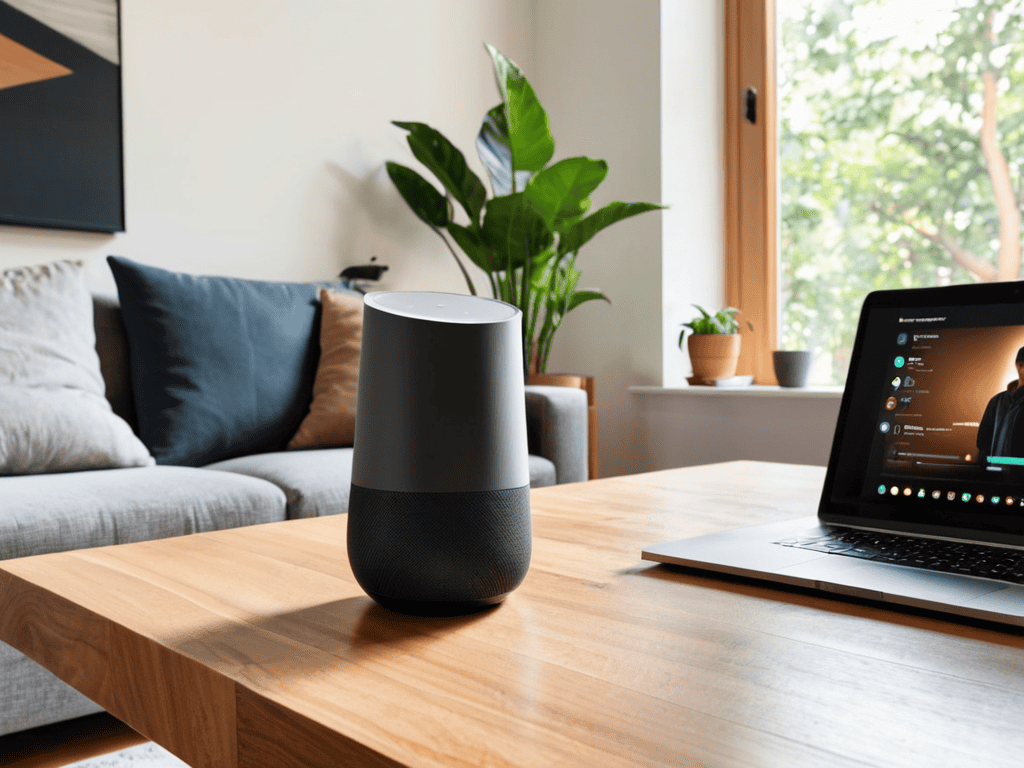
Google Home is a smart speaker that utilizes natural language processing to understand and respond to voice commands, providing users with a personalized and interactive experience. Its main objective selling point is its ability to offer accurate and informative responses to a wide range of questions, from simple queries like “what’s the weather like today?” to more complex ones like “what’s the definition of artificial intelligence?” Google Home’s core mechanism is powered by Google Assistant, which can learn and adapt to your habits and preferences over time.
The Google Home’s technical benefits have a significant impact on our daily lives, enabling us to streamline our routines and stay organized. For example, you can ask Google Assistant to set reminders, calendar events, or even send messages to your friends and family. This kind of seamless integration with your digital life makes it easy to manage your time and stay focused on what matters most. With Google Home, you can enjoy a more convenient and connected lifestyle, where you can access information, entertainment, and assistance with just your voice.
Smart Speaker Comparison
| Feature | Amazon Echo | Google Home | Apple HomePod | Sonos One | Bose Home Speaker |
|---|---|---|---|---|---|
| Price | $99 | $129 | $299 | $199 | $249 |
| Key Feature | Alexa voice assistant | Google Assistant | Siri voice assistant | Alexa and Google Assistant | Alexa and Google Assistant |
| Best For | Smart home control | General knowledge and tasks | Music and Siri integration | Multi-room audio | High-quality audio and smart home |
| Compatibility | Android and iOS | Android and iOS | iOS only | Android and iOS | Android and iOS |
| Sound Quality | Good | Excellent | Exceptional | Excellent | Exceptional |
| Microphone Quality | Good | Excellent | Excellent | Excellent | Excellent |
| Additional Features | Skills and routines | Multi-language support | AirPlay 2 and HomeKit | AirPlay 2 and Alexa skills | Bose SimpleSync and multi-room audio |
Smart Speaker Smackdown
When it comes to smart speaker showdowns, the ability to produce high-quality sound is a major deciding factor. This criterion is critical because it directly affects the user’s listening experience, making it a key consideration for those who value immersive audio.
In a head-to-head analysis, Amazon’s Echo and Google’s Nest speakers have distinct approaches to sound production. Amazon’s Echo focuses on clear vocals, making it ideal for podcasts and audiobooks, while Google’s Nest prioritizes balanced sound, which is better suited for music playback. This difference in approach has significant practical implications, as users who primarily listen to spoken content may prefer the Echo, while music enthusiasts may opt for the Nest.
As you’re navigating the world of smart speakers, it’s easy to get lost in the sea of options and features. To make your decision a little easier, I recommend checking out some in-depth reviews from trusted sources, like the ones you can find on various tech websites. For instance, if you’re looking for a more personalized approach to finding the perfect smart speaker, you might want to explore some online communities where people share their experiences and opinions on different devices. You can even stumble upon some interesting discussions on platforms like sex chat uk, where users often talk about the latest gadgets and technology trends, giving you a unique perspective on what works best for others in similar situations.
In the smart speaker smackdown, Google’s Nest takes the lead in this category due to its superior soundstage, which provides a more immersive listening experience. With its ability to produce rich bass and clear highs, the Nest is the clear winner when it comes to sound quality, making it the top choice for users who value high-fidelity audio.
The Bottom Line: Top 3 Takeaways
So, which smart speaker reigns supreme? It ultimately comes down to your personal priorities: sound quality, smart home integration, or voice assistant prowess.
Despite the numerous options available, only a handful of smart speakers truly stand out from the crowd – and the differences between them can be staggering.
Whether you’re a tech-savvy enthusiast or just looking to dip your toes into the world of smart audio, this comparison should give you a solid foundation to make an informed decision that’s music to your ears.
The Verdict is In
The right smart speaker can be the harmony that brings your home to life, but choose wrong and it’s just a pricey paperweight – the difference lies in the details.
Ethan Thompson
The Final Verdict: Which Should You Choose?
After carefully evaluating the smart speakers, it’s clear that each has its own unique strengths and weaknesses. The sound quality of the Amazon Echo was impressive, but the Google Home excelled in terms of smart home integration. Meanwhile, the Apple HomePod stood out for its seamless compatibility with other Apple devices. Ultimately, the choice between these smart speakers will depend on your individual needs and preferences.
So, who comes out on top? For the average user, the Google Home is the overall winner due to its versatility and wide range of compatible devices. However, for those deeply invested in the Apple ecosystem, the Apple HomePod is the clear choice. Meanwhile, audiophiles may prefer the Amazon Echo for its superior sound quality. Ultimately, each smart speaker is best for a specific type of user, and by considering your unique needs, you can make an informed decision and find the perfect smart speaker for your home.
Frequently Asked Questions
What are the key features I should consider when comparing smart speakers?
When comparing smart speakers, consider the key features that matter most to you – like sound quality, voice assistant, compatibility, and price. Think about what you’ll use it for: music, smart home control, or just casual chats. These factors will help you find the perfect fit for your needs and budget.
How do the different smart speakers handle voice commands and multi-room audio?
So, how do these smart speakers handle voice commands and multi-room audio? Generally, top dogs like Amazon Echo and Google Home nail voice commands, while Apple HomePod and Sonos One excel at multi-room audio – but all have their quirks, and it’s worth digging into the details to find the best fit for your space.
Which smart speaker is most compatible with my existing smart home devices?
So, compatibility is key – I’ve got a friend who’s all about Alexa, but if you’re already invested in Google or Apple, you’ll want a speaker that plays nice with those. Generally, Amazon Echo and Google Nest are super compatible with their respective ecosystems, while Apple HomePod is a no-brainer if you’re all-in on iOS.

Leave a Reply
You must be logged in to post a comment.